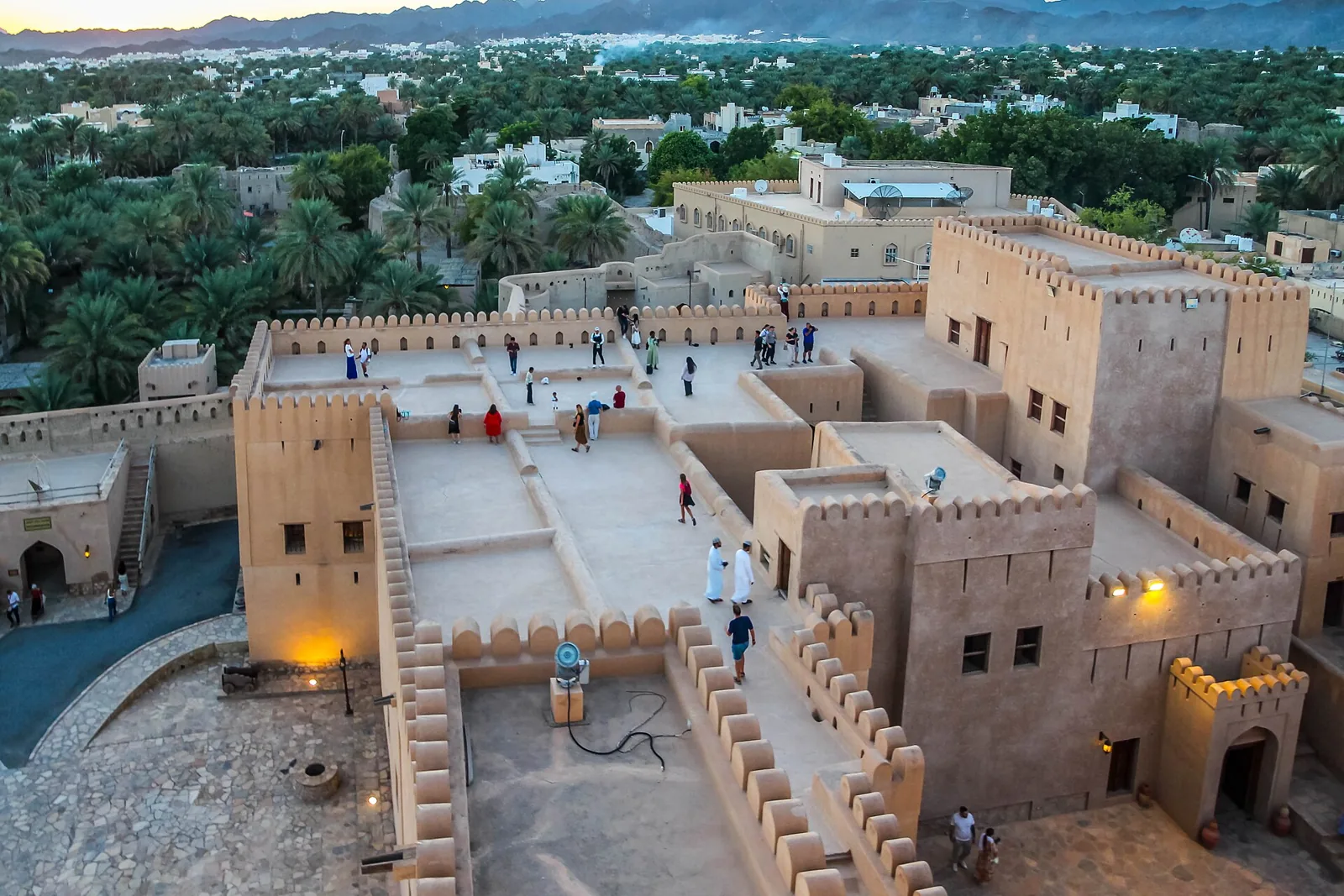
Some of Oman's most memorable experiences happen between the headline attractions: a village lane in morning shade, water moving through an irrigation channel, or coffee served with time to talk. These places deserve curiosity without the expectation that local life is a performance.
Mountain villages: walk gently
A village visit works best as a short, respectful walk rather than a hunt for supposedly undiscovered photo locations. Follow recognised paths, ask before entering buildings and do not cross cultivated terraces simply because they look picturesque.
Go early or late enough to avoid excessive heat, while respecting residents' privacy. A local guide can add meaning through stories about water, farming and architecture.
Aflaj: heritage that still has a purpose
Oman's UNESCO-listed aflaj irrigation heritage reflects long-established systems for distributing water. The interest lies in how communities manage a scarce resource, not just in the appearance of a channel.
Keep water clean and never use a working channel as a footbath or swimming pool. Access and parking differ by village; confirm the approach instead of relying on a generic map pin.
Best for heritage-minded travellers and families who enjoy understanding how a landscape functions.
Dhofar's frankincense story
The Land of Frankincense heritage includes sites associated with the trade and production landscape. It makes more sense as a connected story than as a quick souvenir-shopping stop.
Allow museum or interpretation time, then check access to the specific archaeological site you want to visit. Do not remove stones, plant material or objects from protected areas.
Dhofar is geographically separate from a short Muscat route. Plan the journey and seasonal conditions before adding it to a northern itinerary.
Markets beyond a souvenir checklist
A small purchase can begin a conversation, but no one owes a visitor a photograph or personal explanation. Ask about the product, compare quality and agree prices clearly.
For incense, request practical information about use and storage. Check airline and destination customs rules before carrying unusual food, agricultural or cultural products home.
An Omani food trail
Coffee, dates and halwa
Coffee hospitality often comes in small servings accompanied by dates or sweets. Accept with appreciation, ask politely about local customs and avoid turning a private invitation into an unsolicited filming session.
Halwa offers another way to explore texture and flavour. Ask for an explanation of ingredients if you have allergies; recipes and preparation environments vary.
Rice, slow-cooked dishes and coastal meals
Try a local rice meal, ask when slow-cooked specialities such as shuwa are available, and explore fish dishes along the coast. A celebratory dish may need advance arrangements rather than appearing on every everyday menu.
Ask about portion size and price before ordering a large shared platter. Choose busy, well-maintained establishments and explain dietary needs clearly.
Driver, rental car or local guide?
A rental car can connect established stops, but it does not replace route knowledge or permission. For remote hikes, difficult mountain access or specialist heritage visits, a suitable guide may improve both safety and understanding.
Agree the route, included meals, entrance charges and return time before paying. Avoid a vague “hidden gems” package that never identifies what is actually accessible.
Make a slower itinerary
Combine one village or heritage stop with a meal and time to walk, rather than driving through several regions in a day. Our Oman travel guide and budget guide help turn that approach into a practical journey.
Sources and image notes
Information checked 24 October 2026. Hours, fees, eligibility and availability can change; confirm through the relevant official source.
Photograph: Nizwa Fort and the surrounding town in Oman. Dr. Thomas Liptak / Wikimedia Commons, CC BY-SA 4.0. Source-supplied date: 2024-11-04 14:47:49. Resized and converted to WebP. This is a real photograph from the stated source date, not a live view or confirmation of current access. Context photograph; it does not document a particular residence, visa process or the current status of a project.
