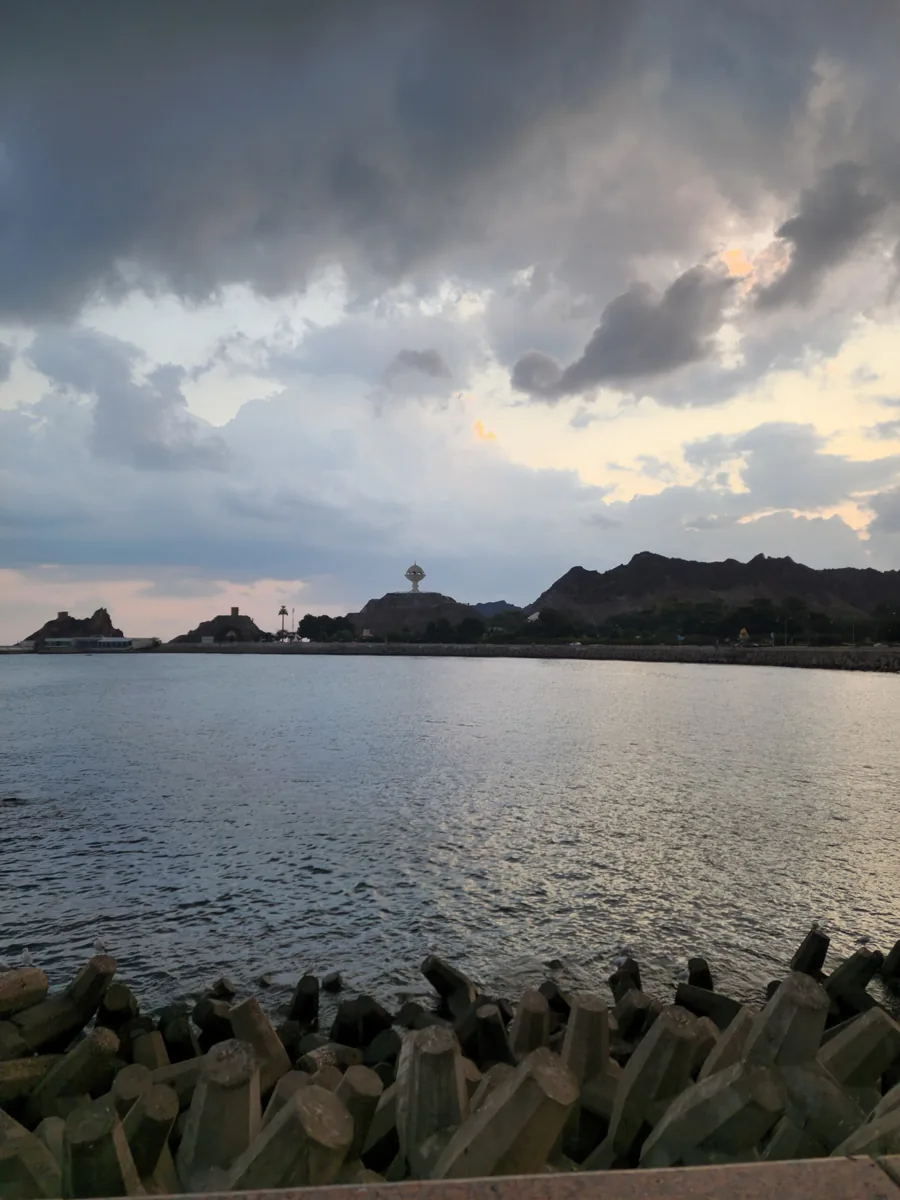
Oman is best understood through its connections: mountains and sea, inland farming settlements and ocean trade, contemporary roads and older habits of hospitality. A first visit becomes more rewarding when you see it as a country of regions rather than a single stop in Muscat.
This introduction provides a starting point for the history, leadership and everyday culture behind the places on your itinerary. It also explains how to approach the country's food, celebrations and economic changes without reducing them to a postcard.
A maritime history
Omani ports connected communities across the Indian Ocean, while frankincense routes linked southern Arabia with distant markets. Museums and heritage sites help turn that broad history into something tangible: a boat's construction, a traded object or a restored settlement.
The country's past also includes Portuguese control of coastal locations and the later growth of Omani influence in East Africa. Treat these as layered histories of trade, power and migration, rather than one uninterrupted tourist story.
Rulers and modern development
Sultan Haitham bin Tarik became head of state on 11 January 2020, following Sultan Qaboos bin Said, who ruled from 1970 to 2020. Both belong to the Al Bu Said dynasty.
Modernisation has reshaped education, healthcare and infrastructure, while Oman Vision 2040 sets out a longer-term direction for diversification. A national strategy is not evidence that every proposed project is finished; our projects guide separates those stages.
Regions that feel different
Muscat combines a mountainous coast with museums, markets and cultural institutions. The interior around Nizwa offers another perspective through forts, villages and agricultural landscapes.
Dhofar brings a southern identity and the seasonal Khareef, when monsoon conditions transform parts of the landscape. Musandam, separated from the main body of Oman, needs its own transport planning rather than being treated as a quick Muscat excursion.
For a short first trip, choose one coherent region and a manageable extension. More kilometres do not automatically produce a deeper experience.
Food and hospitality
Try Omani coffee and halwa as part of a welcoming ritual, then explore rice dishes, seafood and regional specialities. Shuwa is associated with slow preparation and celebratory meals; availability varies, so ask rather than expecting it on every daily menu.
A market meal and an elegant hotel dinner can both be worthwhile. Ask about ingredients and allergens, request prices before ordering by weight, and remember that a family invitation is a personal gesture rather than a tourism product.
Religion, etiquette and celebrations
Islam shapes the calendar and many social customs. Ramadan and the Eids affect routines, opening hours and the atmosphere of evenings; use the announced local calendar for exact dates.
Dress respectfully in public and follow stricter requirements at religious sites. Ask before photographing people, and give residents space to shop, worship and go about daily work.
Festivals and cultural programmes change from year to year. Book a named performance or event from its current official listing instead of relying on a previous year's programme.
Resources, business and daily life
Energy remains important, alongside efforts to grow logistics, industry, tourism and other sectors. For a potential investor, that diversity is a reason to investigate a specific market—not a promise of easy profits.
Citizens and international residents contribute differently to the workforce and daily life. Population totals change; use the latest dated official statistics for decisions rather than repeating an undated expatriate percentage.
Turn the overview into a trip
Start with our <a href="https://packupyourbags.com/oman-first-time-travel-guide/">Oman first-time travel guide</a>, then choose between the <a href="https://packupyourbags.com/oman-hidden-gems-food-guide/">food and village routes</a> and a more focused city stay. Leave time to notice ordinary details: a harbour at work, the shade of an arcade or coffee offered without hurry.
Sources and image notes
Information checked 24 October 2026. Hours, fees, eligibility and availability can change; confirm through the relevant official source.
Photograph: Muscat waterfront and mountains near Mutrah. Karananand2 / Wikimedia Commons, CC0. Source-supplied date: 2025-01-10. Resized and converted to WebP. This is a real photograph from the stated source date, not a live view or confirmation of current access. Context photograph; it does not document a particular residence, visa process or the current status of a project.
