Cyprus's development story is not just a sequence of new towers and marinas. Energy resilience, water management, public services and digital capacity affect everyday life—and deserve a clearer explanation than a promotional rendering.
What the recovery plan covers
The European Commission's current Cyprus recovery and resilience plan page describes investments and reforms across climate, digitalisation, public administration, health and education. The page includes 2026 updates, so older summaries should not be treated as the final version.
An approved national plan is a framework for measures and milestones. It does not establish that every building, grant or service listed in an earlier announcement has been completed or is open to the public.
Energy: distinguish reform from a finished asset
Energy efficiency, electricity-market changes and renewable-energy integration are important themes. Readers evaluating a home or business should ask what is available at the specific address, rather than interpreting a national target as a guarantee of their own bill or supply arrangement.
Large cross-border connections and energy facilities can involve financing, approvals and procurement over several stages. A signed agreement, construction start and commercial operation are different milestones; a project name alone is not enough to assign a completion date.
Water and climate resilience
Water availability and management are practical issues for an island with strong seasonal demand. Infrastructure stories should examine supply, efficiency and environmental effects together instead of treating new capacity as the whole solution.
For accommodation or premises, ask about current local arrangements and any restrictions. Do not assume a private pool or landscaped development proves that water use is unrestricted or environmentally insignificant.
Digital services and business competitiveness
Public-service digitalisation, connectivity, skills and support for smaller businesses appear within the development agenda. A new portal or funded programme can simplify a task, but eligibility and actual service delivery must still be checked.
Our Cyprus business setup guide separates company registration, operational permissions and personal immigration status. A digital registration screen is not the same as permission to carry out every regulated activity.
How to read a project claim
- Identify the implementing authority, precise location and date of the information.
- Classify the stage: proposed, approved, funded, tendered, under construction or operating.
- Distinguish a programme budget from the value of a specific signed contract.
- Look for recent implementation evidence and public-access information.
- Ask about maintenance, environmental conditions and the effects on residents.
The Commission itself warns that its showcased project map is not an exhaustive database and does not replace formal assessment of milestones. Avoid turning a map marker into proof that a service is already delivered.
Useful questions for readers
If considering a property, office or long stay, confirm energy costs, water arrangements, internet service and transport locally. Obtain written terms for utilities and shared charges rather than relying on a development brochure.
Our relocation guide adds the legal planning questions. This article explains the development framework and how to verify claims; it does not announce unverified project openings.
Sources and photograph credit
Information checked 29 October 2026. Fees, hours, eligibility and project status can change; confirm with the relevant official authority before paying or travelling.
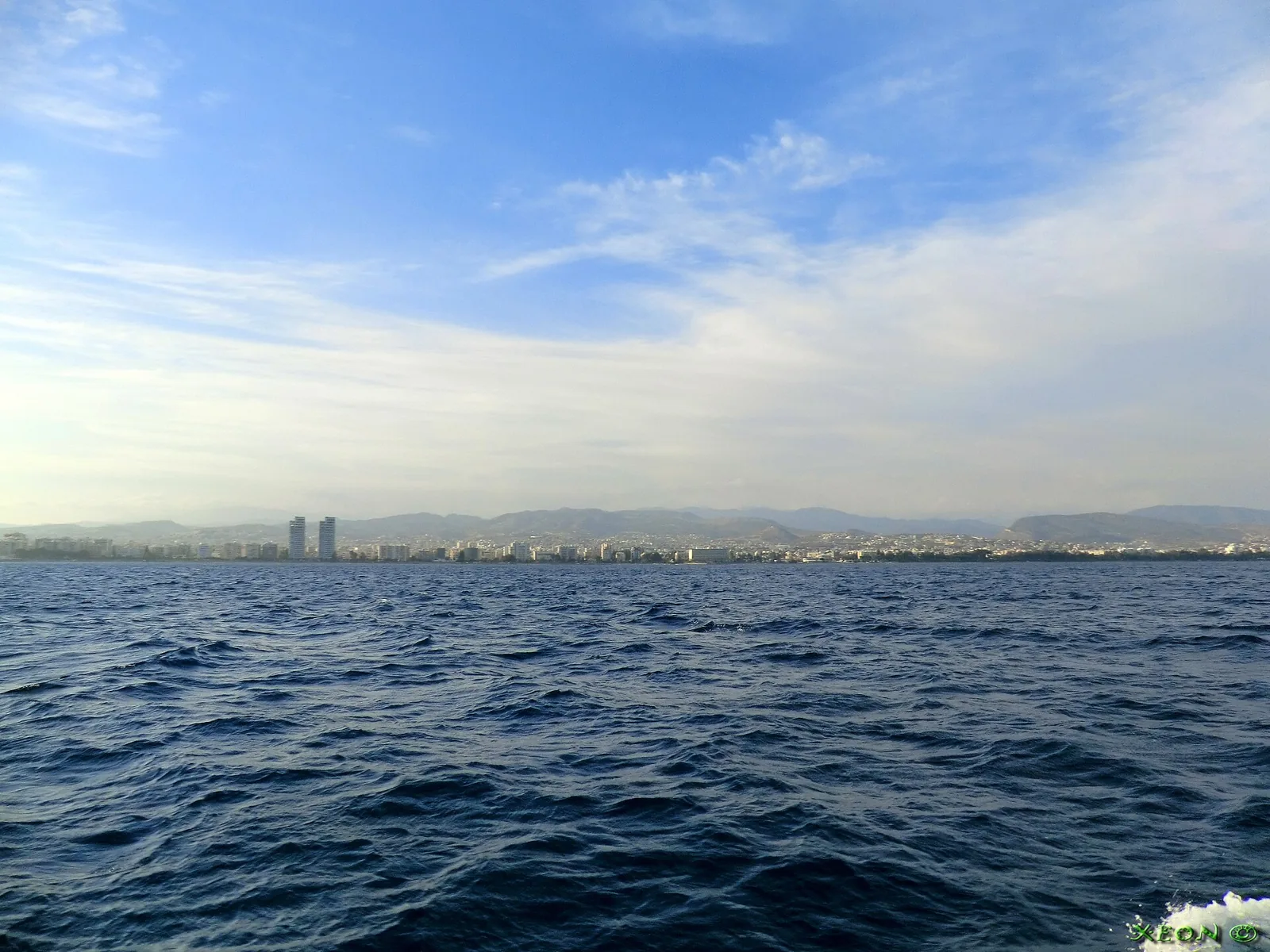
Photograph: —=XEON=—; Limassol From Boat – panoramio.jpg; CC BY 3.0. Source-recorded date: Taken on 12 April 2014. Resized and converted to WebP for the web. Genuine photograph; not a live view or a claim of present-day conditions.
