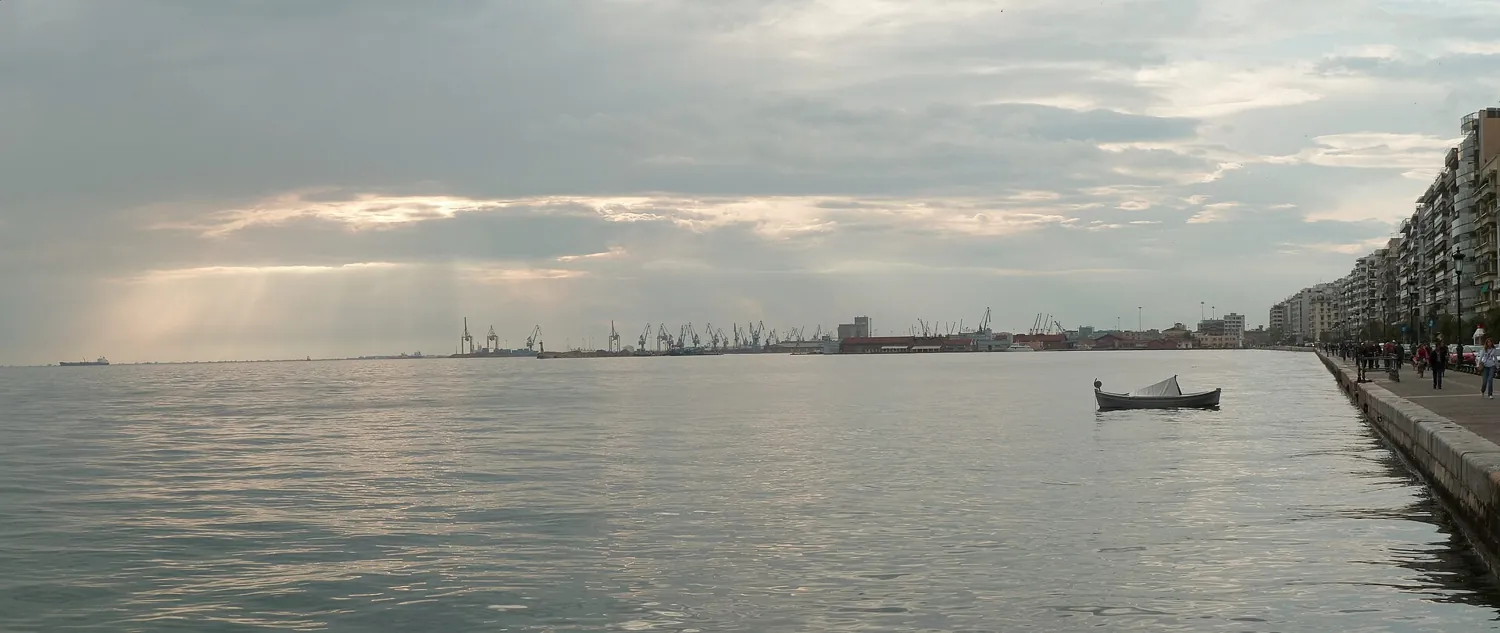
Greece is easier to understand when you give its everyday places as much attention as its famous monuments. An evening on Thessaloniki's waterfront and a neighbourhood lunch in Athens reveal a different rhythm from a hurried island photograph.
This guide introduces cultural context. Keep the separate first-trip guide for your itinerary, transport and entry planning, then choose one region to explore more deeply.
Ancient Greece is a starting point
The Acropolis helps explain the ambitions of classical Athens, but ancient Greece was not a single modern nation with one uniform identity. Read the interpretation at each archaeological site rather than applying one story to every ruin.
Allow time for a museum alongside an outdoor site. Objects, inscriptions and explanations often make the landscape easier to understand than a photograph alone.
Look beyond one historical period
Byzantine churches, Ottoman-era streets and later urban neighbourhoods add further layers. A respectful guide should include these histories rather than treating everything after antiquity as a footnote.
Ask what a building was used for, how its role changed and which communities lived around it. Religious heritage is also part of living society, not simply a collection of attractions.
Mainland and islands need different plans
Athens, Thessaloniki, the Peloponnese and an Aegean island are not interchangeable destinations. Distances, seasonal transport and the time required for connections shape the trip.
For a short visit, choose fewer bases. A useful overnight stay can be worth more than another port reached late in the day.
Follow regional food
Start with a local bakery or neighbourhood restaurant and ask what is seasonal. Pies, vegetables, pulses, cheeses and seafood can lead to very different meals across regions.
Do not assume that a vegetable dish is vegan or that all pastry has the same filling. Explain allergies and dietary needs clearly, including meat stock, dairy and alcohol where relevant.
Festivals are living occasions
Religious and local festivals can change opening arrangements and transport demand. Check the organiser's current calendar instead of copying last year's dates.
Watch how residents participate before photographing a procession or service. Permission and a little patience make a better encounter than treating worship as entertainment.
Everyday courtesy
Keep your voice low in religious interiors and follow the posted clothing and photography rules. Ask before making a person the subject of a close photograph.
Leave archaeological fragments where they belong. A small stone or shard is not a souvenir to remove from a protected site.
Build a balanced day
- Pair one substantial cultural visit with an unhurried meal.
- Leave room for heat, hills and slower walking.
- Confirm seasonal ferries and return transport before committing.
A more rewarding question
Instead of asking how many famous places fit into a week, ask what you would like to understand. One city and one contrasting region can provide a stronger introduction than a long list of rushed arrivals.
Continue planning Greece
- Plan a first trip to Greece
- Acropolis of Athens: Tickets, Ancient Architecture and a Better Visitor Plan
- Meteora Monasteries: Sacred Heritage, Rock Landscapes and Respectful Visiting
- Athens Metro Line 4 Explained: Construction, Milestones and What Travellers Can Use
- Greece on a Budget: Athens Walks, Green Spaces and Smarter Travel Choices
- Beyond Greece’s Famous Islands: Nafplio, Ioannina and Regional Food Trails
- Business Setup in Greece: Company Registration, Costs and Investor Residence
- How to Move to Greece Legally: Work, Study, Family and Digital Nomad Routes
- Luxury Greece: Santorini Views, Athens Culture and Thoughtful Private Experiences
Official sources and photograph credit
Reconfirm current rules, access and charges with the responsible official source before booking or applying.
Photograph: Aroche; Thessaloniki panorama.jpg; CC BY-SA 3.0. Resized and converted to WebP. Genuine archival photograph, not a live view.
