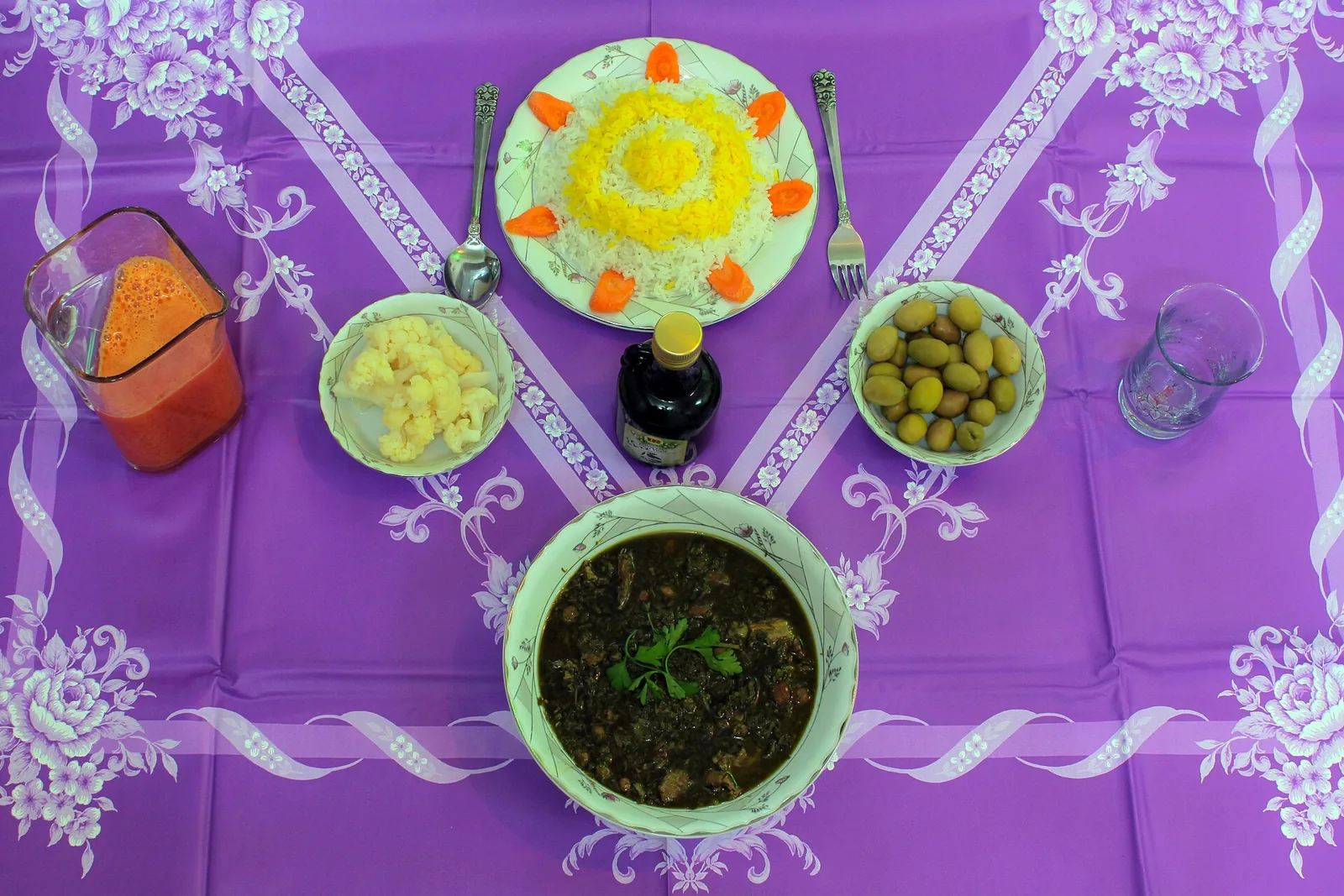
Iranian food is best understood through regions, households and everyday habits rather than a single restaurant checklist. This cultural guide is for learning and future planning; the present travel warning remains the first consideration.
Kashan: the scale of a courtyard
Historic houses make the relationship between privacy, shade and domestic life visible. Instead of looking only for the largest decorated room, notice entrances, changes in level and the space around a central court.
For a future permitted visit, confirm which properties are museums and which remain homes or accommodation. Public access to one restored house does not make the surrounding residential lanes a private photo studio.
Yazd: slow looking in an inhabited city
Yazd's earthen fabric is most interesting when you notice how covered passages and building orientation shape a walk. Rooftops are private unless access is explicitly offered, and fragile edges are not viewpoints to improvise.
Combine architectural reading with the Iran heritage highlights rather than collecting anonymous alley photographs. A local guide should help explain community life without exposing residents to intrusive filming.
Tabriz: trade, craft and courtesy
The covered bazaar is a working commercial landscape. Ask before photographing a stall or workshop, establish a price before a purchase, and do not assume that a greeting creates an obligation to buy.
Craft provenance matters: request an invoice and material description for expensive purchases. Check export and import restrictions before buying antiques or objects advertised as archaeological.
Build a regional tasting vocabulary
- Ghormeh sabzi: a herb-rich stew commonly prepared with meat and beans; recipes differ.
- Tahdig: the prized crisp layer associated with rice cooking, not a complete dish on its own.
- Ash reshteh: a thick herb, pulse and noodle preparation, often finished with dairy.
- Northern flavours: garlic, herbs, rice and vegetable preparations offer a different emphasis from a generic kebab menu.
Ask what a dish actually contains. Meat stock, dairy, nuts and shared preparation surfaces can matter more than an English menu label.
Hospitality without assumptions
A tea invitation may be warm and generous, but clarify whether you are in a commercial setting or a private social one. Do not publish someone's face, business details or home location without consent.
During religious observances, public eating and opening arrangements may be restricted. Current local law takes precedence over what a past visitor reports doing.
Practical planning questions
When travel is appropriate again, group nearby experiences and confirm transport before choosing remote stops. There is no reliable universal free-entry promise for historic houses, museums or gardens.
Our budget planning guide explains currency and payment questions. Meaningful cultural travel starts with consent, accurate context and a willingness to postpone when the wider circumstances demand it.
Sources and photograph credit
Information checked 29 October 2026. Fees, hours, eligibility and project status can change; confirm with the relevant official authority before paying or travelling.
- UNESCO: Yazd
- UNESCO: Tabriz Bazaar
- Current UK government Iran travel advice
- UNESCO: Rasht and regional gastronomy
Photograph: Mostafameraji; Cuisine of Iran آشپزی ایرانی 27- قرمه سبزی با پلو.jpg; CC BY-SA 4.0. Source-recorded date: 2017-08-01 17:37:26. Resized and converted to WebP for the web. Genuine photograph; not a live view or a claim of present-day conditions.
