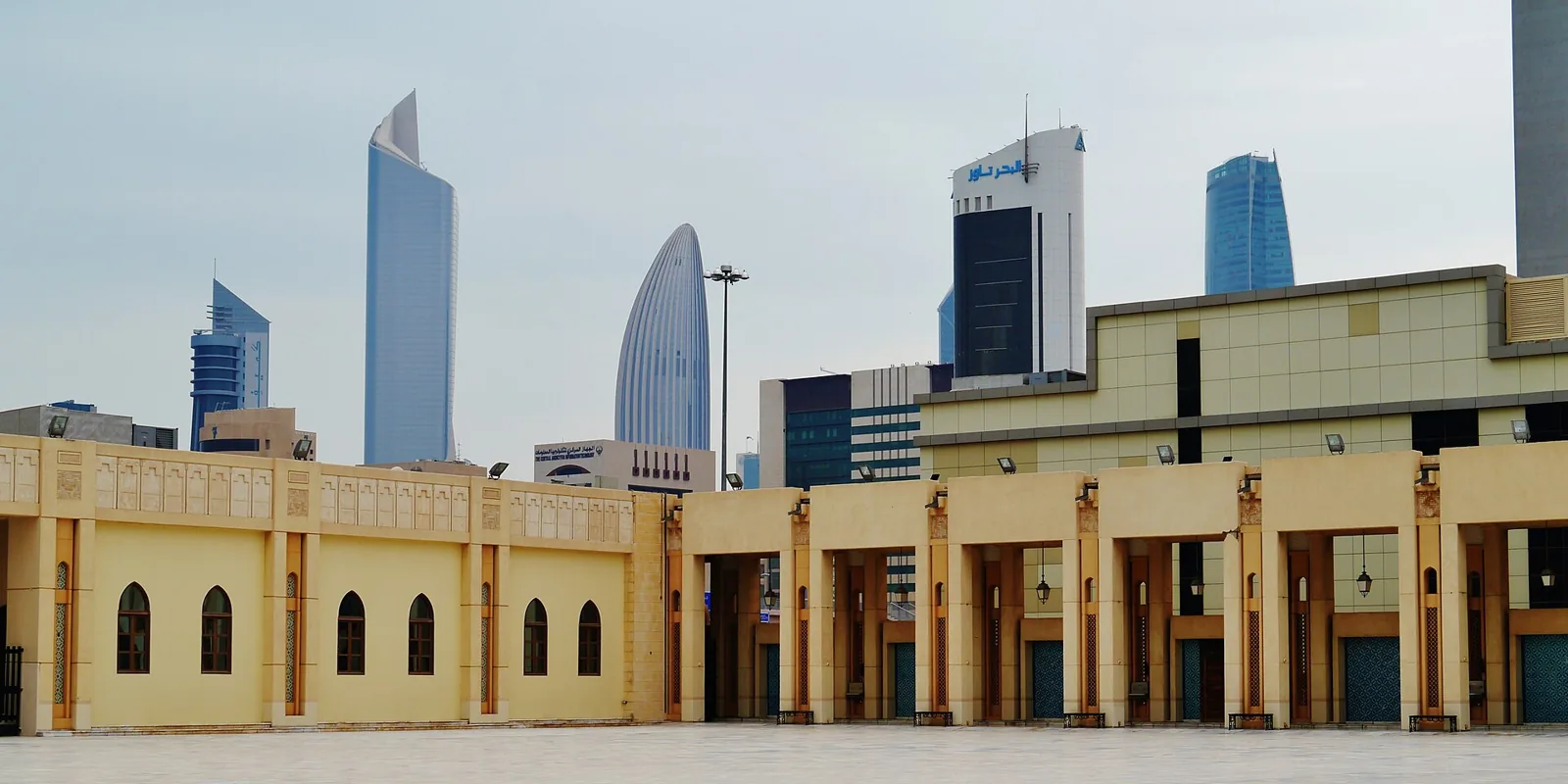
Kuwait's Grand Mosque offers a thoughtful introduction to Islamic architecture and the place of worship in daily life. Its value is not simply in a large interior or a photogenic exterior, but in the opportunity to visit with context and respect.
A guided visit should be arranged around the mosque's programme. A working mosque is not an attraction with unrestricted access at every hour.
What to notice
Look for the relationship between the prayer hall, decorative details and the quieter circulation spaces. A guide can explain features that are easy to photograph but harder to understand without context.
Give yourself time to listen rather than moving continuously between camera angles. Questions asked respectfully can make a visit more rewarding than a long list of architectural measurements.
How to arrange a visit
Kuwait's Ministry of Awqaf provides an official individual visit request form. Use that route to check the available arrangements and submit a request if you intend to visit.
A submitted request is not the same as a confirmed appointment. Wait for the relevant confirmation and follow the instructions given for your date.
The official form describes guided visits of roughly 45–90 minutes. Availability and the actual programme can vary; do not treat an old visitor's schedule as a permanent timetable.
Before you go
- Confirm the appointment, meeting point and arrival instructions.
- Ask whether your group size or language needs require a separate arrangement.
- Check current clothing requirements.
- Allow time for security and any reception procedures.
- Keep the visit clear of assumptions about prayer-area access.
If your plans change, follow the cancellation or contact instructions provided with the booking.
Dress and behaviour
Choose modest, loose clothing covering shoulders and knees, and bring a head covering if required for women. Follow the mosque's own guidance rather than relying on what another tourist wore.
Remove shoes where instructed and keep your voice low. Do not step through an active prayer area or disturb worshippers for a photograph.
Children can benefit from a short explanation beforehand about quiet behaviour, shoes and why the place matters. A calmer, shorter visit is better than forcing an overtired child through a long programme.
Photography and filming
Ask before photographing people or recording a guide. Staff instructions and restricted areas take priority over a visitor's wish for a particular shot.
The official request process notes separate coordination for professional photography. Do not assume permission for a personal visit includes a commercial shoot, tripod setup or social-media production.
Add heritage to your city day
A mosque visit pairs well with one museum or a later walk through a traditional market. Avoid treating religious heritage as a quick stop between shopping appointments.
Read the Kuwait history and culture guide for the broader setting, and our hidden gems and food trail for a relaxed continuation.
Is it suitable for first-time visitors?
Yes, if you are ready to follow the visit arrangements and approach the experience respectfully. You do not need specialist architectural knowledge to benefit from a clear explanation.
Confirm current access directly before travelling. Careful preparation protects both your itinerary and the peaceful setting of the mosque.
Sources and image notes
Information checked 24 October 2026. Hours, fees, eligibility and availability can change; confirm through the relevant official source.
Photograph: Grand Mosque courtyard and the surrounding Kuwait City skyline. Zairon / Wikimedia Commons, CC BY 4.0. Source-supplied date: 2022-12-04 08:33:21. Resized and converted to WebP. This is a real photograph from the stated source date, not a live view or confirmation of current access. Context photograph; it does not document a particular residence, visa process or the current status of a project.
