Switzerland’s railways, lakes and Alpine towns invite a journey that feels effortless in photographs. In practice, the best trip comes from a few deliberate decisions: which region to explore, how to pay for transport and which outdoor days to keep flexible.
For a first visit, choose a city or lakeside base and one mountain region. Several long scenic journeys can be enjoyable, but they should not leave you with no time at the destination itself.
Key takeaways
- Compare a pass with the journeys you actually intend to make, including mountain routes and reservations.
- Switzerland uses the Swiss franc; check how you will pay rather than assuming euro prices apply.
- An accessible railway station does not establish that every nearby trail is accessible.
- Switzerland is in Schengen but is not an EU member; check entry and customs arrangements separately.
Zurich and Lucerne: an easy first contrast
Zurich can suit travellers who want a city arrival with museums, neighbourhoods and a lakeside setting. Keep arrival day flexible instead of booking a distant mountain excursion immediately after a flight.
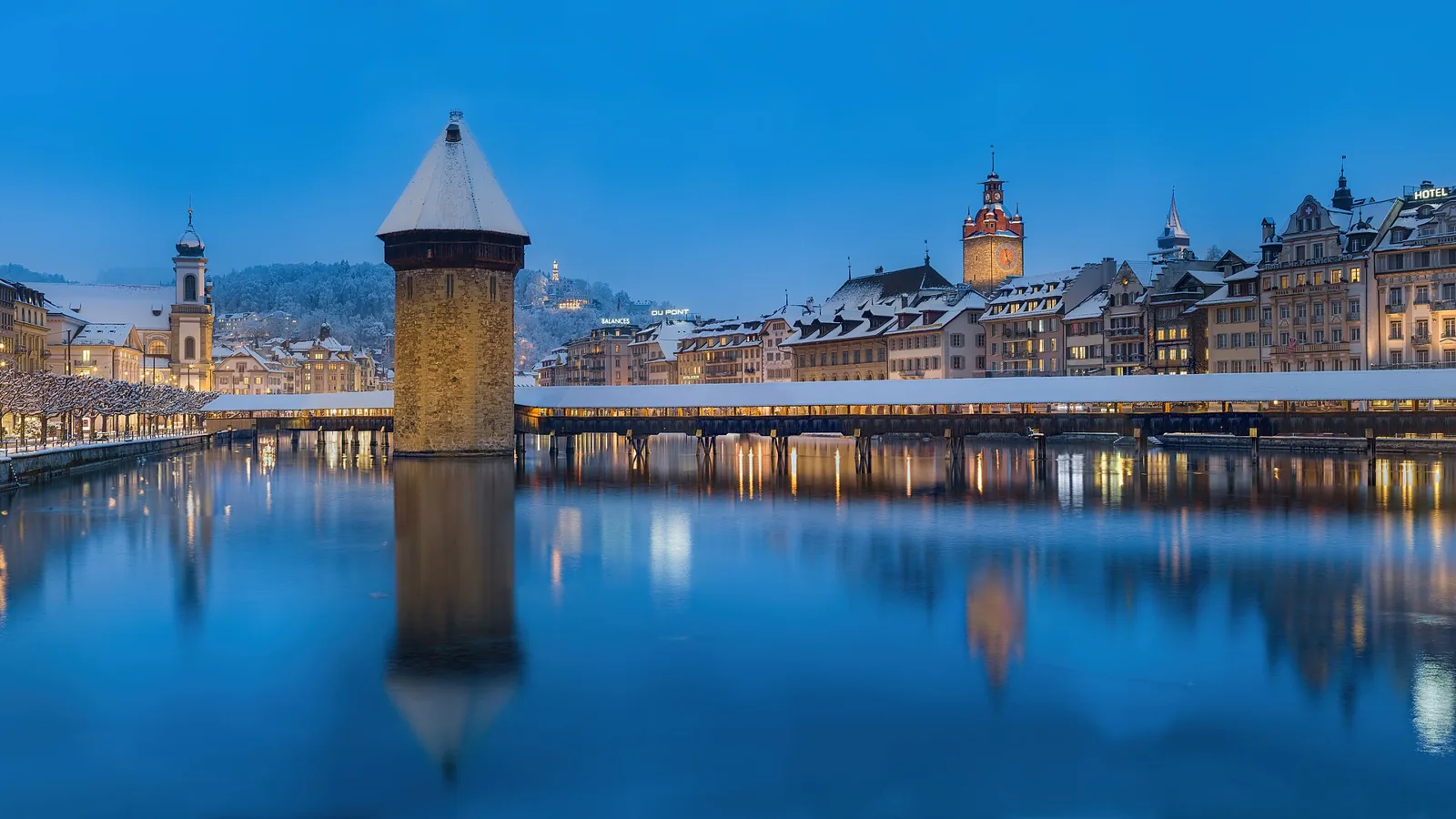
Lucerne offers an old-town and lake setting that can work well for a first stay. A walk around the Chapel Bridge area can be combined with a museum or carefully chosen lake outing, without turning every day into a long transfer.
Check boat timetables, boarding points and ticket coverage before relying on a particular sailing. Seasonal operation can change the route that looks straightforward on a summer photograph.
Interlaken and the Bernese Oberland
This region can suit travellers who want access to mountain landscapes and villages. Choose accommodation after comparing the actual connections to your priority outings, not only the view from the room.
A valley walk, a high viewpoint and a demanding hike are different activities. Check the exact route, weather, footwear requirements and last return service; a lift journey does not make the surrounding terrain automatically suitable.
Keep a weather-dependent day flexible where possible. Paying for every major mountain excursion in advance can reduce your ability to respond to poor visibility or closures.
Zermatt or another Alpine region
Zermatt can be a distinct mountain-focused stay rather than a quick addition to an already full itinerary. Compare the journey, luggage arrangements and time available before adding another base.
For any mountain resort, check how to reach your accommodation from the station and which local services operate during your dates. High-altitude excursions deserve particular attention to health, weather and individual suitability; seek appropriate medical advice if you have relevant concerns.
Scenic trains: make the journey part of the day
Choose a scenic service because you want the journey itself, not because a famous name must be on the itinerary. A long train day can be relaxing when it is planned as the main activity rather than squeezed between several visits.
Check whether the train requires a seat reservation or supplement in addition to a valid travel ticket or pass. The terms of an ordinary scheduled service and a branded panoramic product may differ.
When to visit
City and lake trips can work in several seasons, with different weather and daylight. Summer mountain walking depends on the actual route and snow conditions, not merely the calendar month.
Spring and autumn can bring maintenance closures between peak seasons. Winter is a separate planning exercise: choose an appropriate resort and activity, with the necessary equipment, instruction and insurance.
Use operator notices and local weather information before travelling uphill. If conditions are unsuitable, a town, museum or lakeside day can be a better use of the holiday than forcing a viewpoint visit.
A seven-to-nine-day outline
- Begin with two or three nights in Lucerne or another suitable city base.
- Continue to one Alpine region and spend several nights there.
- Mix one major excursion with lower-level walks or town exploration.
- Return with time for your airport connection; add another region only when the remaining days support it.
This is a planning framework rather than a promise of a particular view or weather window. Fewer bases can mean more time outdoors and less time handling luggage.
Rail passes and the real transport bill
Compare point-to-point tickets, a Swiss Travel Pass and other relevant products using your exact route. Read the current area-of-validity map and check whether each mountain journey is included, discounted or payable separately.
The Swiss Travel Pass covers a broad transport network but is not a blanket promise that every mountain railway and supplement is free. SBB lists panoramic train travel excluding relevant seat reservations or supplements; check the named service before purchase.
Add local transfers, luggage services and any required reservations. A pass can be convenient, but convenience and the cheapest total are different questions.
Budget, food and everyday comfort
Build the budget in Swiss francs, with separate lines for accommodation, food, main transport, mountain excursions and contingency. Check local accommodation charges and cancellation terms, especially for stays tied to weather-dependent plans.
Mix supermarket or bakery meals with selected restaurants if that suits your budget. Ask about dairy, meat stocks and allergens; vegetarian, vegan and halal requirements need specific confirmation.
Pack layers and appropriate shoes rather than relying on city temperatures for a mountain day. Respect quiet residential spaces, stay on permitted paths and follow wildlife and grazing-animal guidance.
Entry checks
Use the Swiss State Secretariat for Migration’s current entry information for your nationality, purpose and length of stay. Relevant short Schengen stays share the 90-in-180-day calculation; Switzerland is not a way to reset time spent in neighbouring Schengen countries.
Check current border-system and customs requirements, transit conditions and insurance. Tourism entry is distinct from permission to work or reside long term.
Frequently asked questions
Does the Swiss Travel Pass cover every mountain excursion?
No such assumption should be made. Check each route on the current validity map and read reservation or supplement conditions.
Is a rental car essential?
Many first-trip routes can be planned by public transport. Check the particular village and accommodation rather than generalising to every destination.
Should I book every mountain day in advance?
Balance capacity, cancellation rules and weather flexibility. Reserve what genuinely requires it, while retaining alternatives for poor conditions.
Continue planning
Official sources and photograph credit
Confirm current rules, hours and charges with the relevant official source before booking.
- Switzerland Tourism trip planning
- Swiss State Secretariat for Migration entry information
- SBB Swiss Travel Pass scope and conditions
- Official EU border-system updates
Photograph: Roy Egloff; CH.LU.Luzern Kapellbrücke 01 16×9-R 16384×9216.jpg; CC BY-SA 4.0. Stitched panorama; resized and converted to WebP. Genuine archival photograph, not a live view.
