Setting up a business in Iran cannot be reduced to buying a licence and receiving a residence visa. Company law, investment permissions, banking, sanctions and personal immigration status are separate issues that need a coordinated legal review.
Start with a feasibility decision
Define the activity, ownership, customers, goods or services, currency and every country involved. An Iranian domestic approval does not establish that a foreign investor, bank or supplier may lawfully participate.
US, UK and other applicable sanctions regimes can affect transactions, parties, sectors and financial institutions. Requirements differ by nationality, location and business structure; do not assume that a non-US company is automatically outside all restrictions.
A sensible sequence
- Obtain independent advice on applicable sanctions and export controls before contracts or payments.
- Identify the correct domestic legal structure and sector regulator.
- Confirm registration, investment-licensing and operational-permit requirements separately.
- Establish whether lawful banking, insurance and payment arrangements are genuinely available.
- Address tax, accounting, employment and immigration obligations before starting activity.
The Foreign Investment Promotion and Protection Act, often called FIPPA, is part of Iran's investment framework. A potential protection or permission under that framework is not blanket authorisation for every activity or a substitute for sanctions compliance.
Documents to prepare for professional review
Expect advisers to request beneficial-ownership information, passports, incorporation records for corporate shareholders, a business plan and evidence of funding. The authority-specific checklist, certification and translation requirements must be confirmed for the proposed route.
Do not send identity or financial records to an unverified intermediary. Ask who will receive them, why they are needed and how the adviser is licensed or otherwise accountable.
Ownership, free zones and residence
Different locations and activities can have different rules, but labels such as free zone do not eliminate all taxes, banking restrictions or approval requirements. Do not import a UAE-style package description into an Iranian proposal.
Share ownership does not automatically authorise residence or employment. Our Iran entry and residence overview explains why each family member and worker may require a separate lawful basis.
Costs and timing without false precision
Request an itemised written quotation covering registration, capital requirements where relevant, legal work, translation, premises, tax administration, permits, immigration and renewals. Distinguish official charges from professional fees and refundable deposits.
There is no verified universal all-inclusive price or guaranteed two-week timeline in this guide. Banking and cross-border compliance can determine whether a project is feasible at all.
Questions before committing
- Which authority approves this exact activity and ownership structure?
- Which laws apply to the investor, counterparties and payment chain?
- What happens if a bank refuses the transfer or an approval is delayed?
- Who remains responsible for ongoing filings and permit renewals?
Use official sources and independent qualified counsel. Never conceal an Iranian connection, misstate beneficial ownership or use an intermediary to evade a restriction.
Sources and photograph credit
Information checked 29 October 2026. Fees, hours, eligibility and project status can change; confirm with the relevant official authority before paying or travelling.
- US Treasury: Iran sanctions
- UK: Iran sanctions guidance
- Current UK government Iran travel advice
- UNCTAD: Iranian foreign investment law
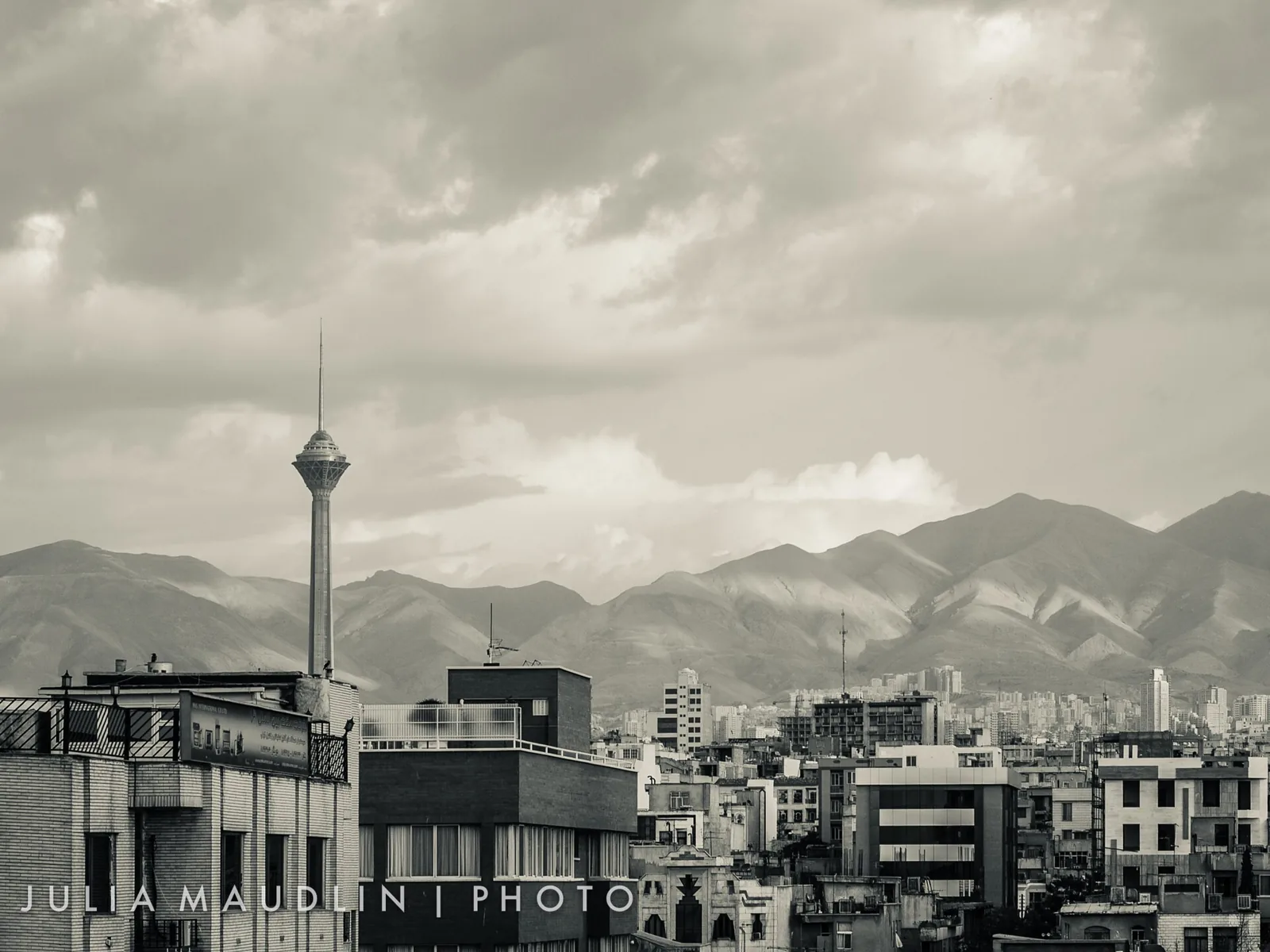
Photograph: Julia Maudlin from Lake Oswego, Oregon, USA; Tehran Skyline, Milad Tower and Alborz Mountains, Iran (10059004754).jpg; CC BY 2.0. Source-recorded date: Taken on 10 October 2008, 20:42. Resized and converted to WebP for the web. Genuine photograph; not a live view or a claim of present-day conditions.
