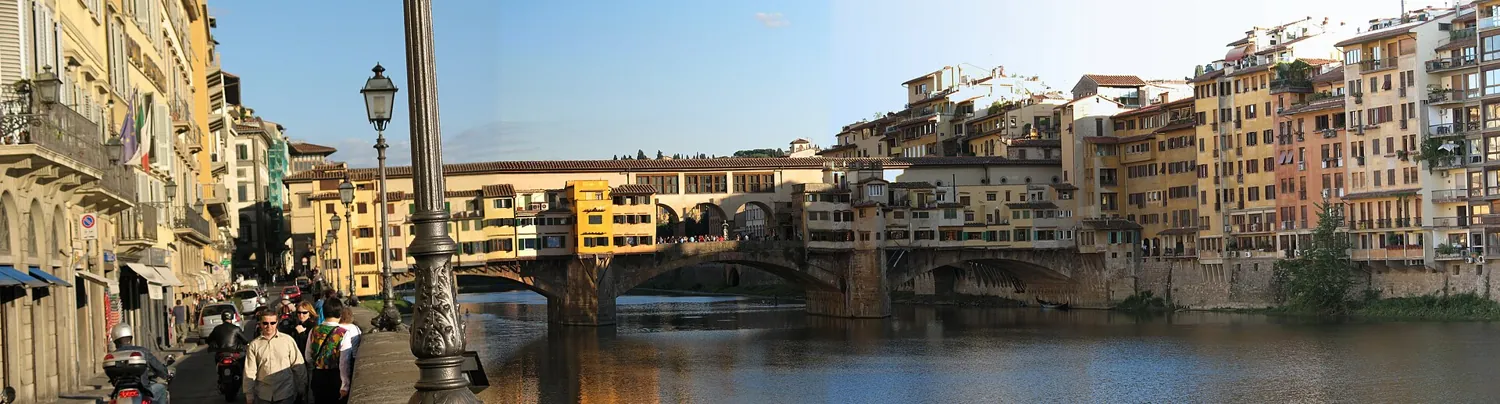
Italy is easier to enjoy when you stop expecting every region to offer the same version of the country. Rome's archaeology, Florence's artistic identity and a small Tuscan town invite different kinds of attention. A good itinerary gives those differences room to emerge.
Begin with a question: are you drawn to ancient cities, regional food, religious art or contemporary design? Use that interest to select a few places rather than treating the country as one continuous highlights tour.
Ancient Rome is a starting point
Rome places archaeological remains beside streets where people still live and work. The Colosseum and Forum help explain the ancient city, but present-day Rome is not an outdoor theme park devoted entirely to the empire.
Combine a major archaeological visit with time in an ordinary neighbourhood. That contrast helps distinguish ancient monuments from the modern capital around them.
Regional histories matter
Tuscany's towns and Florence's art provide a different historical perspective from Rome. Regional museums can make that difference clearer than another long drive to a famous viewpoint.
The national tourism guide connects Tuscan cultural history with local landscapes and food. Choose a town where you can stay long enough to notice the relationship, rather than using every stop only for a photograph.
The modern republic
The referendum of 2 June 1946 led to the Italian Republic; the republican Constitution came into force on 1 January 1948. Former royal and papal residences should therefore be described in their historical context, not as evidence that Italy is governed by a monarchy today.
History also includes difficult periods and social change. A museum's contextual explanation is more useful than reducing the country to an uninterrupted story of emperors, artists and luxury.
Food is not one national menu
In Tuscany, vegetable-and-bread preparations such as pappa al pomodoro sit alongside meat dishes and regional pasta. In Rome, the local food tradition offers a different starting point.
Ask what is characteristic of the place and season. A familiar dish name is not proof that the preparation meets your dietary needs: sauces, stock, cured meat and cheese ingredients should be checked directly.
Rituals of daily travel
Greet staff, respect queues and ask before photographing a small shop or identifiable people. Allow time for a meal rather than ordering an elaborate lunch shortly before a scheduled museum entry.
Read menus and service conditions carefully. Outdoor tables, counter service and set menus can have different arrangements; ask rather than guessing from the atmosphere.
Festivals and a balanced route
Check the organiser's current programme for local celebrations, religious events and food festivals. A beautiful photograph from an earlier year does not establish this year's date or access.
Choose a city and a nearby region before adding distant destinations. A slower trip can reveal more of Italy than a longer list of railway stations.
Questions to shape your trip
Is Rome enough to represent Italy?
It offers a rich visit, but it does not replace every region's history or everyday culture.
Should every meal be a destination restaurant?
No. A bakery, market or modest local meal can be part of a thoughtful food itinerary when chosen for the place rather than a trend.
Continue planning Italy
- Plan a first trip to Italy
- Colosseum Visitor Guide: Tickets, the Roman Forum and a Better Rome Day
- Sacred Italy in Assisi: Saint Francis, Art and a Respectful Pilgrim Visit
- Italy’s Rail Transformation: Naples–Bari, Sicily and the Genoa Connection
- Italy on a Budget: Rome’s Parks, Regional Food and Smarter Train Choices
- Italy Beyond the Main Circuit: Lucca, Ravenna and Regional Food Trails
- Business Setup in Italy: Registration, Self-Employment and Investor Residency
- How to Move to Italy Legally: Work, Study, Family and Digital Nomad Routes
- Luxury Italy: Lake Como, Milan Style and an Unhurried Amalfi Escape
Official sources and photograph credit
Reconfirm current rules, access and charges with the responsible official source before booking or applying.
- Rome: national tourism guide
- Tuscany: regional context
- Presidential archives: republic and Constitution
- Tuscan recipes and ingredients
Photograph: Photographer: Andwhatsnext; Ponte vecchio-arno-florence-np.jpg; CC BY-SA 3.0. Resized and converted to WebP. Genuine archival photograph, not a live view.
