Italy offers opportunities for founders interested in services, manufacturing, design and regional markets, but a company registration is not a shortcut around immigration rules. Plan the business and your right to operate it as two connected workstreams. A suitable structure on paper does not make an unsuitable residence application succeed.
This guide explains the planning sequence. It does not recommend an investment or replace legal, accounting or immigration advice for your circumstances.
Define the activity and location
Write down what you will sell, who the customers are, where the work takes place and whether professional recognition is required. A restaurant, an online service and a regulated profession do not share one universal licence checklist.
Before signing for premises, ask the municipality's SUAP one-stop shop about declarations, permits and local requirements. Italy's official business portal identifies SUAP as the point of reference for business activity procedures.
Select a structure and registration path
Discuss individual activity versus a company with a qualified professional. Liability, accounting, ownership, taxes and contributions should shape that choice, not simply the cheapest advertised setup package.
The official portal describes ComUnica as the coordinated electronic communication used for Business Register and related tax, insurance and social-security registrations. Confirm which steps apply to your activity and which need additional formalities.
Separate ordinary self-employment
For a non-EU founder who needs immigration permission, review the actual self-employment category. The Foreign Ministry explains that many employment and self-employment entries operate within the Decreto Flussi quota framework, with specified exceptions.
Do not assume buying company shares, obtaining a tax code or receiving a VAT number creates a residence right. Eligibility and any clearance requirements must be addressed before relying on a business launch date.
The Investor Visa is a distinct programme
The official programme lists four qualifying options: €2 million in government bonds; €500,000 in an Italian limited company; €250,000 in an innovative startup; or a €1 million philanthropic donation. A residential property purchase is not one of those listed options.
Applicants first seek the programme's nulla osta, then the relevant consular visa. The portal describes completing the declared investment or donation within three months after arrival and maintaining it for the residence period.
Check current passport-related restrictions and all programme conditions before proceeding. The portal includes suspensions affecting Russian and Belarusian nationals, including specified dual-passport cases; do not treat the programme as universally available.
Prepare documents by route
- Identity, lawful residence and the current consular application checklist.
- Business activity plan, qualifications and licences where applicable.
- Evidence of available funds and their lawful origin for the relevant process.
- Required translations, legalisation or apostille and fee receipts.
- Family documentation and health or insurance evidence required by the chosen category.
Keep certified copies and an application calendar. Use the consulate responsible for your legal residence rather than following an unrelated jurisdiction's appointment instructions.
Budget beyond incorporation
Separate professional and registration fees from capital, rent, operating cash, contributions, taxes, translations and immigration charges. Request an itemised quotation with ongoing compliance costs, not just the opening price.
No universal two-week launch-and-residency promise is appropriate. Administrative steps, consular appointments and permissions have different schedules, so leave room before making irreversible commitments.
Common questions
Does investor status mean tax-free living?
No. Immigration eligibility and tax treatment are separate. Obtain advice on both personal and company obligations.
Can a consultant guarantee approval?
Authorities decide applications. Ask a licensed adviser to explain the route, evidence, risks and fees without presenting a company package as guaranteed residency.
Continue planning Italy
- Plan a first trip to Italy
- Italy Explained: History, Regional Identity, Food and Local Traditions
- Colosseum Visitor Guide: Tickets, the Roman Forum and a Better Rome Day
- Sacred Italy in Assisi: Saint Francis, Art and a Respectful Pilgrim Visit
- Italy’s Rail Transformation: Naples–Bari, Sicily and the Genoa Connection
- Italy on a Budget: Rome’s Parks, Regional Food and Smarter Train Choices
- Italy Beyond the Main Circuit: Lucca, Ravenna and Regional Food Trails
- How to Move to Italy Legally: Work, Study, Family and Digital Nomad Routes
- Luxury Italy: Lake Como, Milan Style and an Unhurried Amalfi Escape
Official sources and photograph credit
Reconfirm current rules, access and charges with the responsible official source before booking or applying.
- SUAP: current official business permissions guidance
- Official ComUnica and registration FAQ
- Foreign Ministry: entry for employment and self-employment
- Investor Visa for Italy: options and restrictions
- Investor Visa: official procedure and conditions
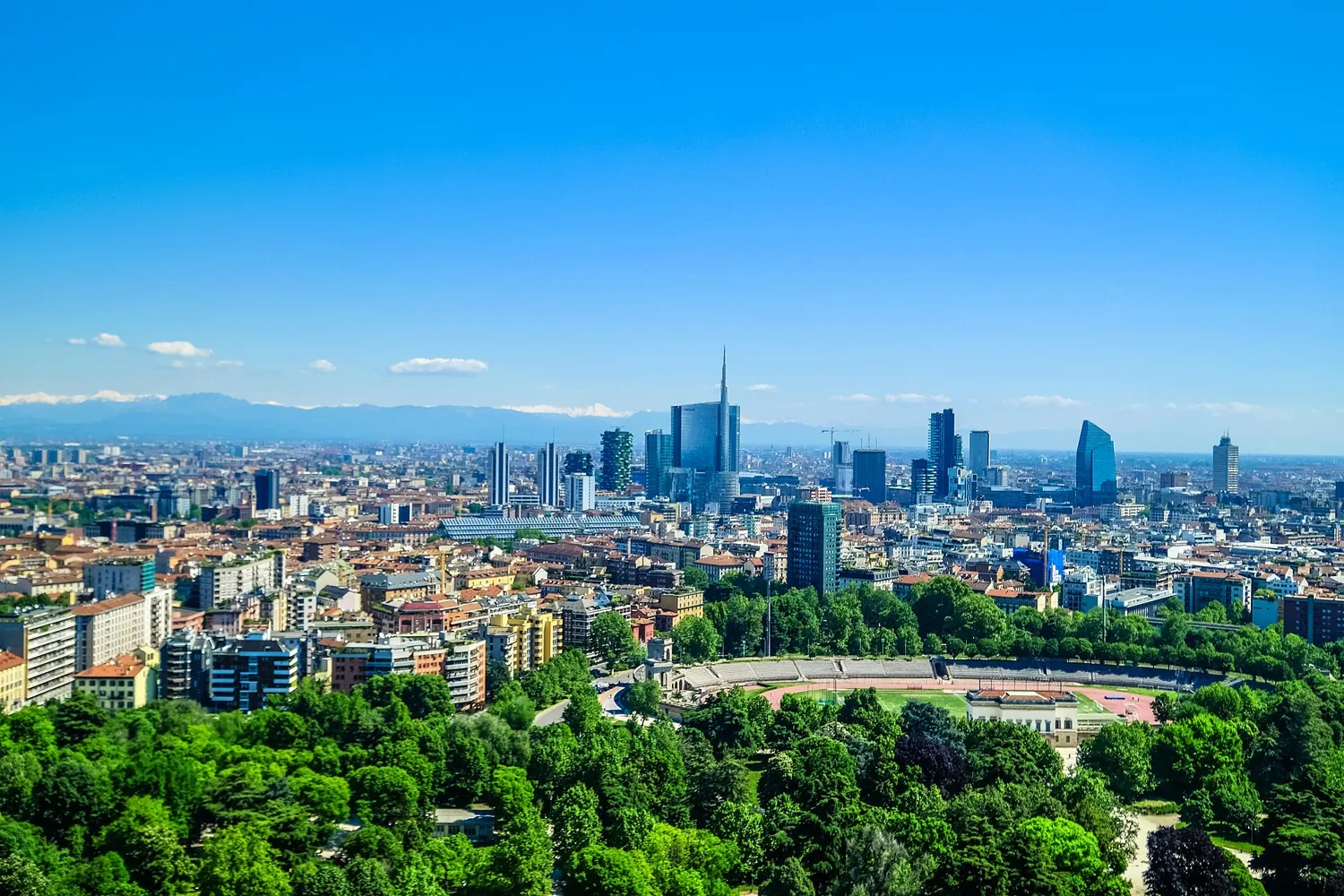
Photograph: Francesco Ungaro; Milan skyline skyscrapers of Porta Nuova business district.jpg; CC0. Resized and converted to WebP. Genuine archival photograph, not a live view.
