Living in Greece starts with permission that matches what you intend to do there. A long holiday, a local job and remote work for an overseas employer are different plans, even when the apartment and daily routine look similar.
Use this guide to organise questions for the responsible Greek consulate and residence authority. Your nationality, existing status, family situation and activity determine the actual route.
Start with citizenship and purpose
EU/EEA/Swiss citizens have a different legal framework from third-country nationals. Even where free-movement rights apply, check the administrative registration and other requirements for your circumstances.
For other nationals, establish the appropriate long-stay category before making irreversible arrangements. A visitor entry should not be treated as permission for every kind of work or indefinite residence.
Employment and business are distinct
For a Greek job, verify the relevant employment and immigration process with the employer and authority. A job offer, employment contract and final permission are different stages.
Founders should assess their planned role separately from company registration. Owning a company does not answer whether you can live in Greece and personally perform its work.
Study and family routes
An educational admission does not remove the need to meet the applicable immigration conditions. Check the institution, course, financial evidence, insurance and residence steps required for your case.
Family eligibility depends on the sponsor's status and the relationship. Prepare the correct civil records and authentication rather than assuming another country's dependent rules apply.
Digital nomad option
The Greek Foreign Ministry directs applicants to Work from Greece. Its guidance describes a route for qualifying non-EU remote workers with employers outside Greece, rather than local Greek employment.
The published income benchmark is €3,500 monthly after tax, with 20% added for a spouse or cohabitant and 15% per child. Confirm the exact evidence with the consulate; a bank balance alone may not answer the employment and income questions.
Visa and residence are not identical
The digital-nomad guidance distinguishes a visa of up to one year from the subsequent renewable residence permit. That does not mean every applicant automatically receives the maximum duration or approval.
For any route, confirm where to apply, whether an in-country application is allowed and which deadline applies after entry. Do not presume that arriving as a tourist creates a right to switch.
Prepare a route-specific file
- Valid travel document and the application required for the category.
- Evidence of work, study, family or another qualifying purpose.
- Financial, insurance and accommodation records where required.
- Properly translated or authenticated documents as instructed.
Plan everyday settlement too
Budget for housing deposits, tax advice, healthcare arrangements and practical administration. Test internet access if your livelihood depends on it, and avoid a non-refundable long lease before your legal plan is clear.
Immigration status and tax residence are separate questions. Ask qualified advisers about both rather than assuming that a residence visa grants a tax exemption.
The next useful step
Write down your nationality, intended activity, family members and preferred timing. Take that short profile to the responsible authority or licensed adviser before paying for a relocation package.
Continue planning Greece
- Plan a first trip to Greece
- Greece Beyond the Postcard: History, Regional Identity, Food and Festivals
- Acropolis of Athens: Tickets, Ancient Architecture and a Better Visitor Plan
- Meteora Monasteries: Sacred Heritage, Rock Landscapes and Respectful Visiting
- Athens Metro Line 4 Explained: Construction, Milestones and What Travellers Can Use
- Greece on a Budget: Athens Walks, Green Spaces and Smarter Travel Choices
- Beyond Greece’s Famous Islands: Nafplio, Ioannina and Regional Food Trails
- Business Setup in Greece: Company Registration, Costs and Investor Residence
- Luxury Greece: Santorini Views, Athens Culture and Thoughtful Private Experiences
Official sources and photograph credit
Reconfirm current rules, access and charges with the responsible official source before booking or applying.
- Greek Foreign Ministry: digital nomad route
- Work from Greece: eligibility and income FAQ
- Greek Ministry of Migration and Asylum
- Greek Ministry of Foreign Affairs: consular services
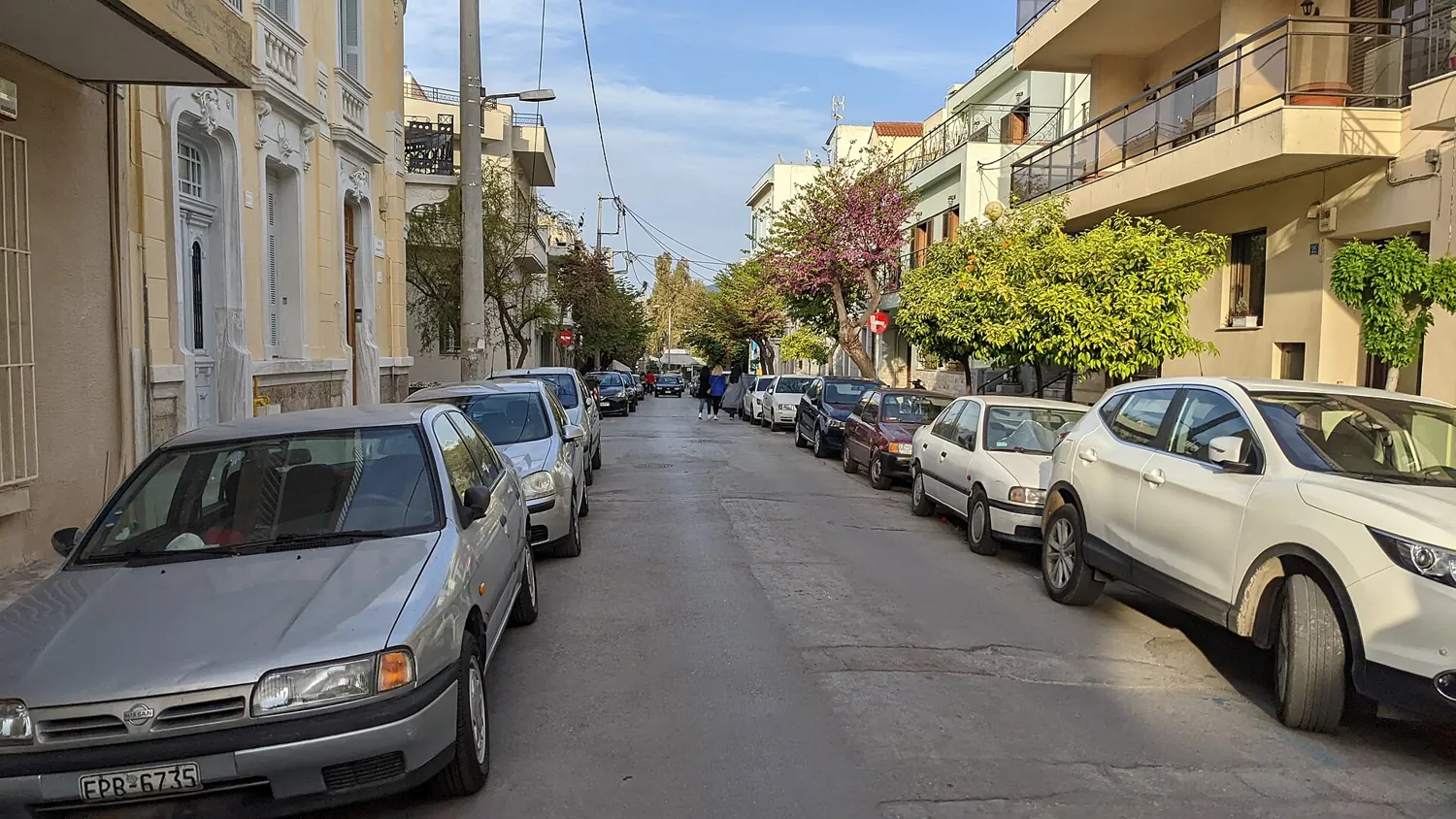
Photograph: philip.mallis; Residential street in Athens, Greece – 53266122497.jpg; CC BY-SA 2.0. Resized and converted to WebP. Genuine archival photograph, not a live view.
