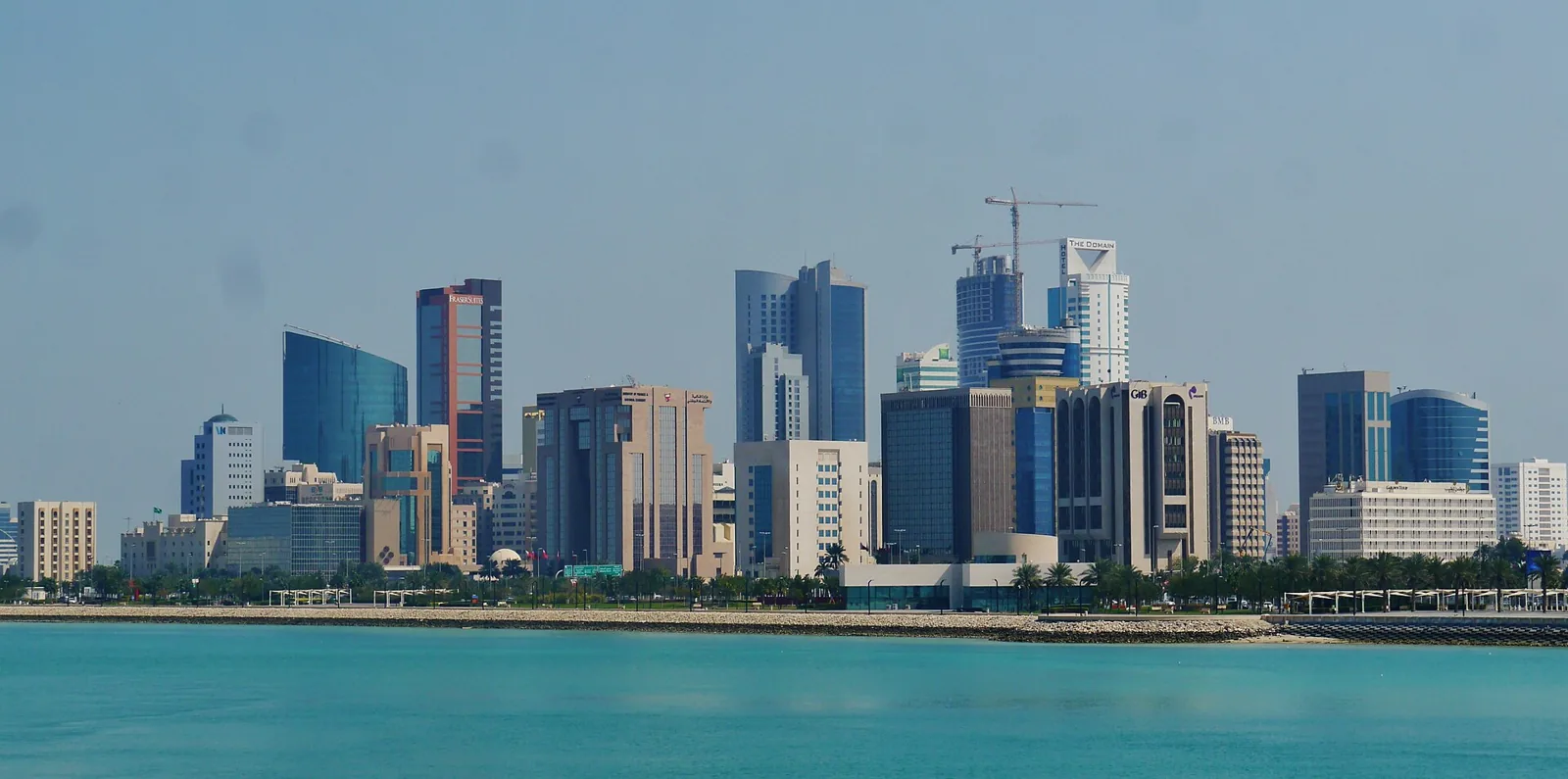
Bahrain makes an appealing Gulf introduction because ancient archaeology, living neighbourhoods and modern city life sit relatively close together. Give the country time beyond a quick hotel weekend and its island history becomes the thread connecting the trip.
Essential orientation
- Capital: Manama; currency: Bahraini dinar (BHD), divided into 1,000 fils.
- Arabic is official, with English commonly used in tourism and business.
- Bahrain is a GCC member and an island kingdom linked to Saudi Arabia by the King Fahd Causeway.
- A compact map does not remove traffic or heat: group visits geographically.
History before the towers
The Dilmun civilisation links Bahrain to ancient regional trade. Qal'at al-Bahrain and the burial-mound landscapes help visitors understand this long history, while Muharraq's pearling heritage tells a later story of maritime livelihoods and merchant households.
Bahrain became independent in 1971 and a kingdom in 2002. King Hamad bin Isa Al Khalifa is the head of state; Prince Salman bin Hamad Al Khalifa is Crown Prince and Prime Minister. For a meaningful historical introduction, combine an archaeological site with the national museum rather than treating forts as interchangeable photo stops.
People and economy
Finance, industry, logistics, tourism and energy all form part of the economy. Bahraini citizens and expatriate communities shape everyday life; avoid presenting the country as a single lifestyle shared by everyone.
Official 2024 statistics published on the national portal list 1,588,670 residents, including 739,736 Bahrainis and 848,934 non-Bahrainis. Those are dated figures, not a live 2026 population estimate.
Food and hospitality
Try machboos, a seasoned rice dish, and ask about local fish, breakfast breads and Bahraini halwa. Muharraq is a rewarding place to explore sweets and older neighbourhoods, but check ingredients: nuts, dairy and other allergens may be present.
Hospitality does not mean every home or religious space is open to visitors. Ask before taking portraits, dress respectfully at heritage and worship sites and avoid blocking the daily activity of residents.
Festivals and the best time to explore
National Day is observed on 16 December. Eid and Ramadan follow the Islamic calendar, and cultural programmes vary annually; verify dates and event tickets rather than assuming a festival operates throughout a month.
The cooler season is generally more comfortable for walking. In hot weather, plan indoor visits around midday and use short outdoor sessions in softer light.
A first-trip plan
We suggest three or four days: Manama and a museum, Muharraq and the Pearling Path, then the fort and a coastal or nature experience. Use licensed taxis, suitable bus routes or a rental car with valid insurance.
Check your passport's entry conditions before travel. See our Bahrain first-time visitor guide for attraction choices and business setup guide if you are exploring opportunities beyond a holiday.
Sources and photograph credit
Information checked 26 October 2026. Fees, hours, eligibility and project status can change; confirm with the relevant official authority before paying or travelling.
- National portal: country facts and dated population
- Culture Authority history timeline
- Official Bahrain tourism
Photograph: Zairon; Manama Manama Skyline 13.jpg; CC BY-SA 4.0. Source-recorded date: 2020-02-22 12:42:50. Resized and converted to WebP for the web. Genuine photograph; not a live view or a claim of present-day conditions.
