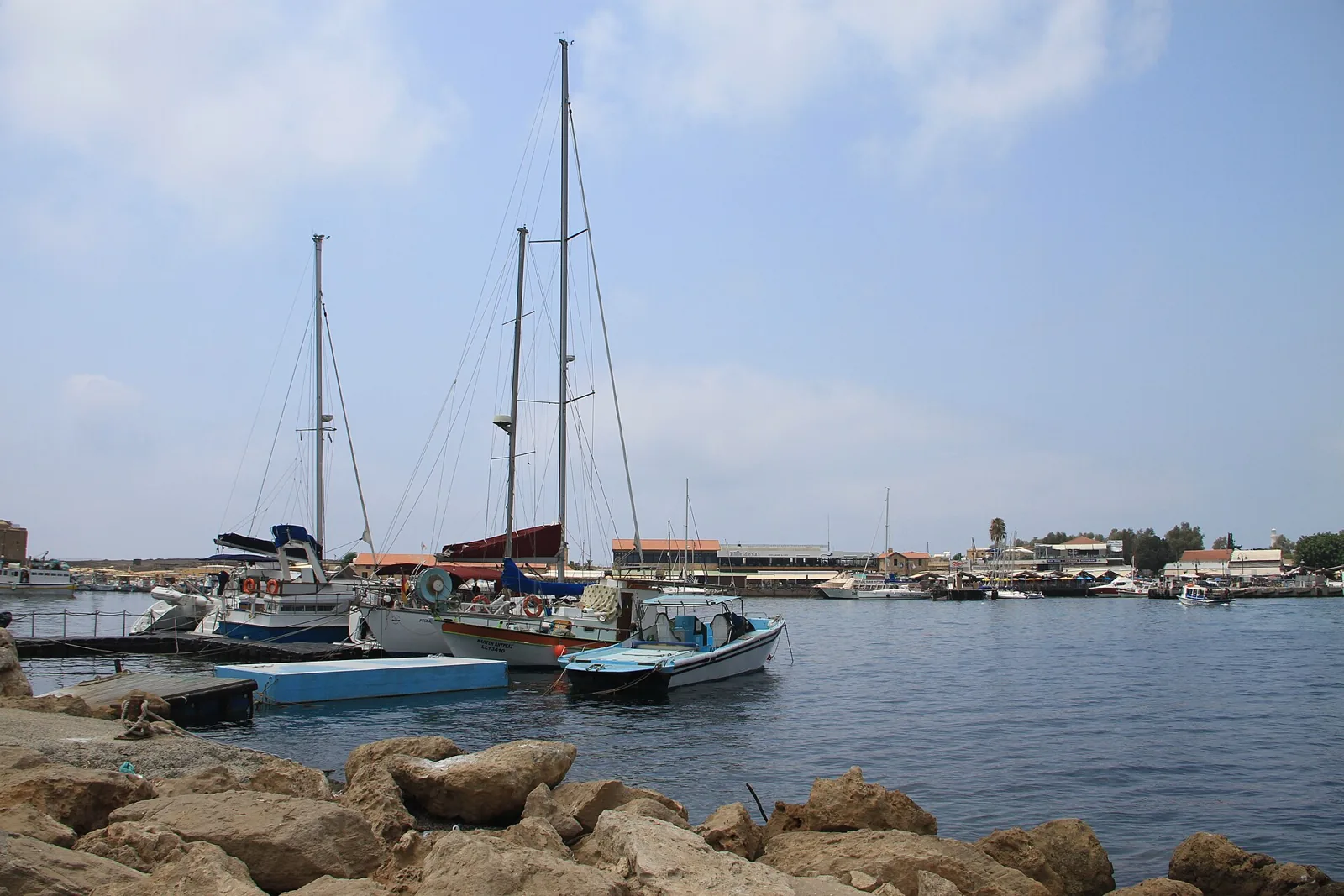
Cyprus can begin with a harbour breakfast and end among pine-covered mountains, but its appeal goes well beyond a beach holiday. Archaeology, village crafts and the everyday cultures of its communities reward a slower introduction.
Where Cyprus fits
Cyprus lies in the eastern Mediterranean and is a member of the European Union. It is sometimes included in broader Middle East discussions because of its regional setting, but it is not a GCC country and Gulf immigration or tax arrangements do not apply.
Nicosia, also called Lefkosia, is the capital. The euro is used in the Republic of Cyprus's government-controlled areas; Greek and Turkish are official languages, and English is widely used in visitor-facing settings without being universal.
History without flattening the island
Ancient settlements, Greek and Roman influences, Byzantine Christianity, Lusignan and Venetian rule, the Ottoman period and British administration form different historical layers. The Republic became independent in 1960.
The division of the island following events in 1974 remains central to present-day life. A UN buffer zone separates the sides; the Republic's government does not exercise effective control in the north, where EU law is suspended. This guide's legal and business information concerns the Republic of Cyprus.
Do not treat a Green Line crossing as an ordinary domestic transfer with no paperwork. Our entry and relocation guide explains why an airport choice, passport and crossing plan need checking together.
Match a base to your interests
- Paphos: archaeology and a compact coastal visitor area, particularly useful for history-focused trips.
- Larnaca: a seafront setting and access to religious heritage and nearby villages.
- Limassol: an urban waterfront and a base for selected southern-coast excursions.
- Nicosia: museums, architecture and contemporary city life rather than a beach base.
- Troodos villages: mountain scenery and cultural heritage, with slower roads and seasonal conditions.
Choose one or two bases rather than changing accommodation every night. Our 10 Cyprus highlights connects destinations with different travel styles.
Food, crafts and celebrations
Halloumi, village breads, seasonal vegetables and a shared meze introduce an island food culture with Greek Cypriot, Turkish Cypriot and wider regional influences. Recipes and names can vary; ask about pork, alcohol, dairy and allergens instead of assuming a dish meets every dietary requirement.
Lefkara's lace tradition and other village crafts deserve accurate provenance and fair payment. Carnival, Orthodox Easter and Kataklysmos can change local schedules; check the relevant year's programme rather than copying dates from an old calendar.
Practical travel essentials
Spring and autumn often suit outdoor exploring, while summer requires heat planning and mountains can have winter conditions. Drive on the left, check rental terms and compare bus routes before choosing accommodation.
As checked on 29 October 2026, the EU describes Cyprus as in the process of joining Schengen. EU membership does not make a Cyprus residence permit a universal Schengen travel document.
Read our budget guide before booking. A useful trip balances culture, rest and realistic transport, with current entry and regional advice checked again before departure.
Sources and photograph credit
Information checked 29 October 2026. Fees, hours, eligibility and project status can change; confirm with the relevant official authority before paying or travelling.
- Cyprus Deputy Ministry of Tourism
- European Union: Cyprus country profile
- Current official Cyprus travel advice
Photograph: Anatoliy Smaga; Boats in Paphos harbour 1.JPG; CC BY-SA 4.0. Source-recorded date: 2014-07-21 11:51:16. Resized and converted to WebP for the web. Genuine photograph; not a live view or a claim of present-day conditions.
