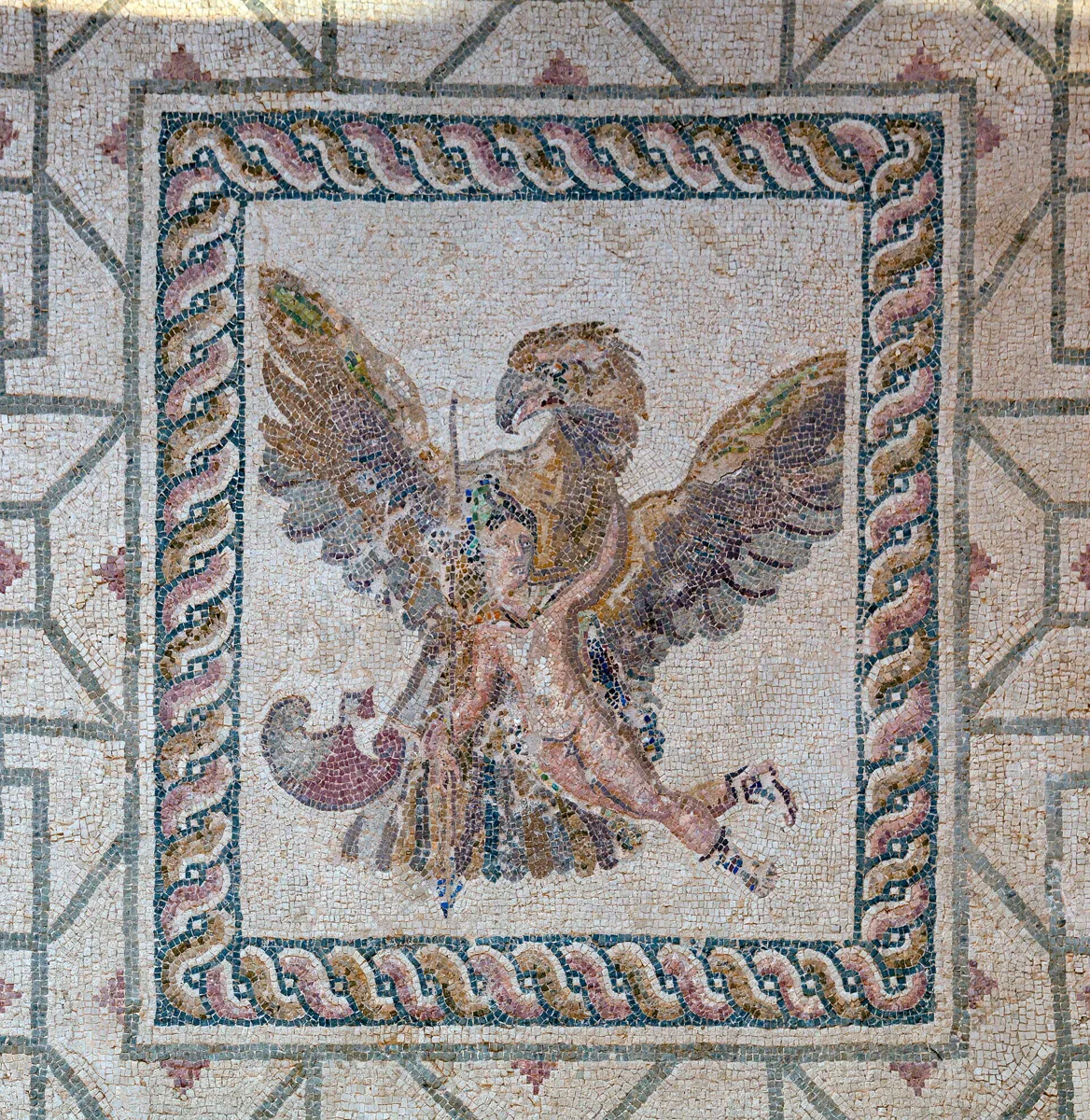
At Paphos, a floor can be the main attraction. Mosaics turn rooms into stories, while the surrounding archaeological landscape helps explain how a Mediterranean city changed over centuries.
What makes the park special
The Kato Pafos archaeological area contains remains from several periods, with Roman-era material especially prominent. The villa mosaics are more than decorative patterns: figures, scenes and room layouts offer a starting point for understanding the culture of the people who commissioned them.
Paphos is a UNESCO World Heritage property, but the modern town, archaeological park and other monuments are not one interchangeable attraction. The Tombs of the Kings require separate planning; the name should not be taken as a literal list of royal occupants.
Build a route around your interests
Begin with the visitor information and identify which mosaic houses or areas are open that day. Allow time to read the interpretation rather than moving from one camera position to the next.
For history enthusiasts
Compare the mosaics with the surviving urban features, including the Odeon and other visible structures. Ask a qualified guide which parts are original, conserved or represented through interpretation.
For families and photographers
Choose a few scenes and turn the visit into a discussion of animals, clothing and storytelling. Shorter, focused attention is often more enjoyable than trying to see every fragment in the hottest part of the day.
Published tickets and hours
The official tourism page checked on 29 October 2026 lists park admission at €4.50, with the Tombs of the Kings an additional €2.50. These are published reference prices, not a guarantee against a later revision or a promise that all guided services are included.
The same source lists 08:30–17:00 for 16 September–15 April and 08:30–19:30 for 16 April–15 September. It lists closures on Christmas Day, New Year's Day and Greek Orthodox Easter Sunday; check again before travelling, especially on holidays.
Comfort and accessibility
Expect outdoor exposure and uneven surfaces. Bring water, a hat and comfortable shoes, and choose an earlier or later part of the day when appropriate for the season and opening arrangements.
Official information describes the park as partly wheelchair accessible. Contact the site about the route and facilities needed by your group rather than interpreting partial access as access to every mosaic and path.
Better photographs with less impact
- Follow barriers and staff directions; do not step onto a mosaic for a clearer frame.
- Use a wider shot to explain the room, then detail photographs where permitted.
- Avoid blocking narrow viewing areas while taking repeated portraits.
- Confirm tripod, flash and commercial-photography rules before bringing equipment.
Combine the visit sensibly
Pair the park with a relaxed harbour walk instead of adding a long cross-island transfer immediately afterwards. Our Cyprus highlights guide puts it alongside other archaeological and landscape destinations.
The budget guide explains transport and ticket comparisons. A well-paced visit leaves enough attention for the mosaics—and enough flexibility for heat, access needs and changed opening arrangements.
Sources and photograph credit
Information checked 29 October 2026. Fees, hours, eligibility and project status can change; confirm with the relevant official authority before paying or travelling.
Photograph: Diego Delso; Casa de Dionisio, parque arqueológico de Pafos, Chipre, 2021-12-10, DD 52.jpg; CC BY-SA 4.0. Source-recorded date: 2021-12-10 12:15:34. Resized and converted to WebP for the web. Genuine photograph; not a live view or a claim of present-day conditions.
