Egypt can offer excellent value when you plan the expensive parts first: intercity travel, monument admissions and reliable guiding. The biggest saving often comes from a slower route rather than bargaining over every small purchase.
Start with a complete budget
Separate flights, visa, insurance and accommodation from daily food, transport and sightseeing. Keep a reserve for delayed travel or a changed route; do not spend the emergency amount on an optional excursion.
The official e-Visa FAQ checked for this guide lists US$30 for a single-entry tourism visa and US$65 for multiple entry. Confirm your passport's eligibility and live fee before payment; visa-on-arrival or consular routes have their own conditions and should not be assumed equivalent.
Choose fewer bases
For a short trip, Cairo-Giza plus one Nile or coastal focus may be better value than repeated flights and overnight transfers. Compare the real journey length, luggage rules and arrival time rather than the lowest advertised fare alone.
A room close to your planned activities may save more than a cheap hotel requiring several taxis. Ask whether breakfast, taxes, airport pickup and late checkout are actually included.
Low-cost city experiences
Public street walks, neighbourhood cafés and suitable waterfront sections can balance paid museums and monuments. Historic Cairo is best explored with a manageable route, sensible footwear and respect for worship and local businesses.
Not every stretch of a riverbank or beach is public, free or safe for bathing. Pay attention to access signs and use recognised operators for boats; agree duration and the complete price before boarding.
Eat local with clear prices
Ful, ta'ameya, koshary and bakery meals can keep costs down without making every meal a compromise. Look for clear menus and steady turnover, and ask about the price of drinks, extras and service.
Choose hygiene over the absolute lowest price. Ask about allergens, buy safe drinking water and do not assume every vegetarian-looking dish is free of animal stock or cross-contact.
Transport choices
Within Cairo, compare the metro where it serves your actual route with licensed taxis or established ride services. Allow road traffic time even if the distance looks short.
For intercity travel, use the official operator or an established agent and confirm foreign-visitor booking rules, seat class and cancellation. Do not rely on a third party's claim that every train, bus or local fare is available to every traveller.
Spend selectively at monuments
Check base entry and special tomb or pyramid supplements separately. A day with a qualified guide can be better value than several poorly explained stops; our Giza visitor guide helps you compare packages.
Student concessions require the correct accepted evidence and current eligibility. Do not budget on a discount until the official ticket rules confirm it.
Common budget traps
- A low tour price excluding entry, transport or compulsory extras.
- An animal ride or boat service agreed without a total price.
- An airport or station transfer left until arrival on a tight connection.
- Too many hotel changes and baggage fees.
- Travel against official advice that may invalidate insurance.
Use local EGP prices and your actual payment exchange rate; no single daily budget suits all seasons or travel styles. Our food trails offers ideas for where slower exploration can replace another costly transfer.
Sources and photograph credit
Information checked 28 October 2026. Fees, hours, eligibility and project status can change; confirm with the relevant official authority before paying or travelling.
- Official Egypt e-Visa FAQ
- Official e-Visa application timing
- Egyptian Tourism Authority
- Ministry of Tourism and Antiquities monuments
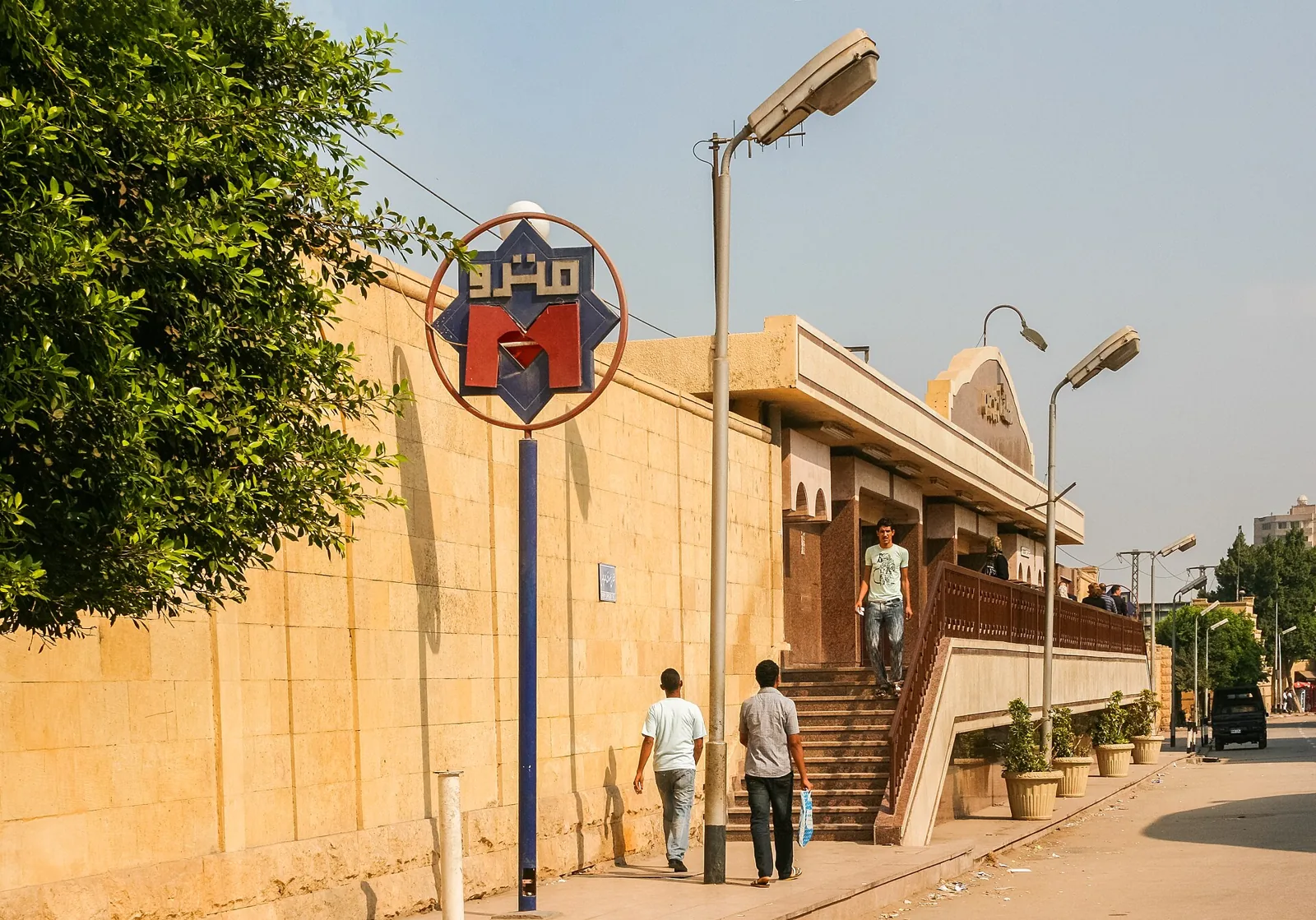
Photograph: Diego Delso; Cairo Metro Station in Old Cairo, Egypt.jpg; CC BY-SA 3.0. Source-recorded date: 2011-09-26. Resized and converted to WebP for the web. Genuine photograph; not a live view or a claim of present-day conditions.
