For a short first visit to Egypt, start with Cairo and Giza. Give the pyramids and the Grand Egyptian Museum separate blocks of time. If temples are your priority and you have days to spare, add Luxor before you add another coast or city.
Key takeaways
- Cairo-Giza and Luxor-Aswan are different travel clusters; allow time between them.
- Use cooler hours for exposed monuments and confirm current tickets.
- Add the Red Sea for a different rhythm, not as a rushed overnight detour.
Ancient wonders and museum time
1. Giza Plateau
The pyramids and Sphinx give a powerful introduction to ancient royal monuments. Go early when permitted, with water and sun protection; it suits history lovers and families who can pace a hot outdoor day.
2. Grand Egyptian Museum
Near Giza, the museum offers context for ancient Egypt in a modern setting. Book the correct official visitor category and allow several hours; museum enthusiasts should avoid squeezing it between a long pyramid tour and a flight.
Before booking, check the Grand Egyptian Museum’s gallery hours for your day. The galleries close at 6 p.m. most days and 9 p.m. on Wednesdays and Saturdays, with last entry one hour earlier. Book museum admission separately from the pyramids.
3. Saqqara
The Step Pyramid landscape adds depth to a pyramid-focused visit. It suits archaeology enthusiasts; arrange reliable transport and check the exact open monuments and additional tickets before arrival.
4. Karnak and Luxor Temple
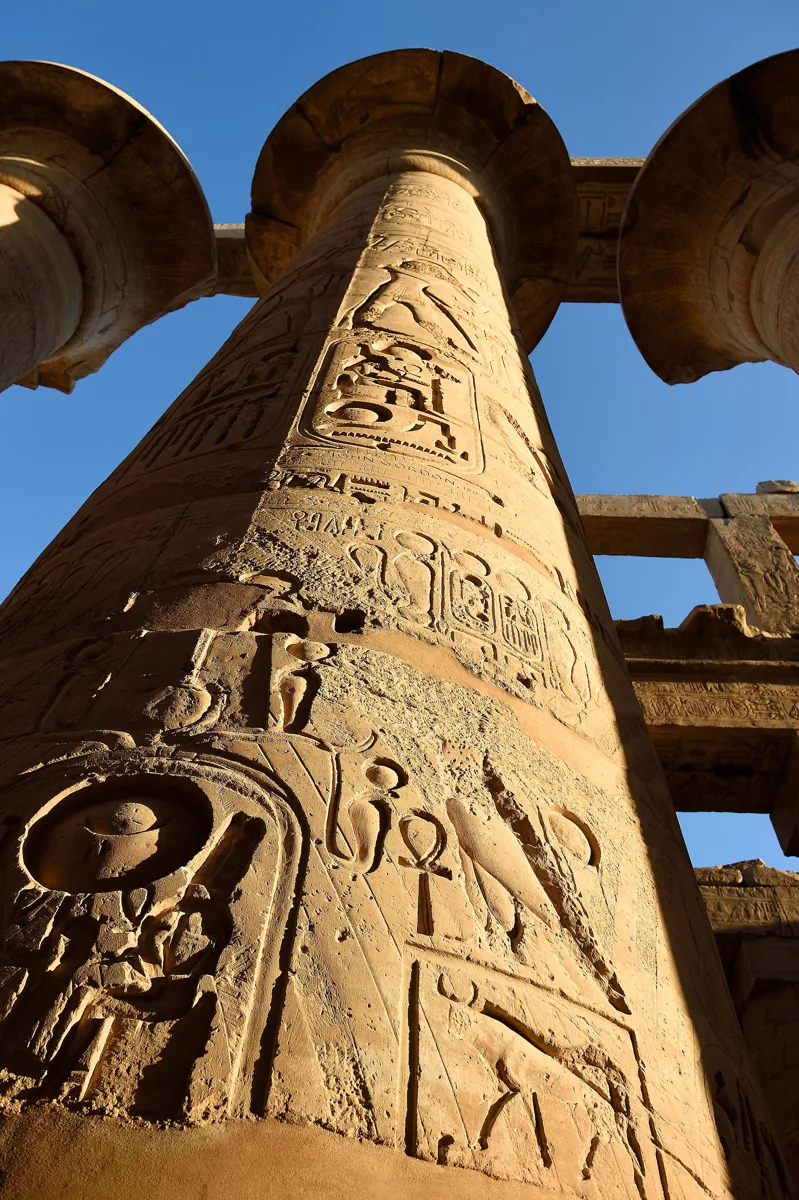
These separate temple complexes reward time to observe columns, reliefs and changing light. They suit history-focused travellers; plan breaks and verify the opening of each rather than assuming one ticket covers both.
5. Valley of the Kings
The royal tomb landscape introduces a different form of funerary architecture from Giza. Choose the tombs included in your current ticket carefully, check special-entry supplements and follow all photography restrictions.
River, cities and sea
6. Aswan and Philae
Aswan brings a slower Nile setting, with Philae requiring its own boat and site arrangements. It suits travellers who want landscape and heritage together; clarify transport, admission and guiding separately in any quote.
7. Abu Simbel
The monumental temples justify a deliberately planned excursion rather than an impulse addition to a crowded day. It suits committed heritage visitors; confirm the route, operator, departure and permissions before booking a long transfer.
8. Historic Cairo
Mosques, old streets and religious heritage offer a living urban counterpart to the ancient monuments. Choose a manageable district and respectful dress; our Sacred Cairo guide helps pilgrims and architecture enthusiasts prepare.
9. Alexandria
The Mediterranean city brings waterfront walks, food and a different urban history. It suits travellers with time for a separate city stay; check the current access to museums or library visits instead of expecting every attraction on a day trip.
10. A Red Sea base
Hurghada or another suitable established base can add reef activities and rest. It suits marine-life lovers and families; use licensed operators, do not touch coral and check both weather and the specific regional advice.
Essential practical tips
Cooler months generally suit Nile monuments, but coast, desert and city conditions differ. Book transport around actual arrival times and allow delays; a map's straight line says little about a comfortable transfer day.
Check visa eligibility on the official portal, carry the required documents and keep an appropriate insurance policy. The country's restricted desert and border areas should not be treated as interchangeable with the standard tourist route.
How much time do you need?
A week suits a focused introduction; roughly ten to fourteen days can allow more breathing room for Cairo, Nile heritage and an additional coast or city. These are planning suggestions, not a requirement to cover every stop.
Use our budget guide and Giza guide to choose quality time over a checklist.
Route, accommodation and full-cost planning
Choose Cairo or Giza according to the main sightseeing day, then treat Luxor and Aswan as separate overnight bases. A hotel across the Nile may require a boat or road transfer; compare that actual journey before choosing the room.
Planning addition dated 17 November 2026; this does not claim that every older fact on this page has been rechecked.
Practical planning and free resources
Use these original downloads to record your own quotes, dates and route. Each includes English and Hindi tabs, with no account, macros or live tracking.
- Free Trip Budget Calculator: English and Hindi Excel
- Free Car-Free Route Planner: Airport to Last Return
- Free Attraction Price Tracker: Dated Official Quotes
Planning section added 17 November 2026. This is not a claim that every older fact in the article has been rechecked. Confirm final prices, admission and current services with the relevant official source.
Sources and photograph credit
Information checked 5 November 2026. Fees, hours, eligibility and project status can change; confirm with the relevant official authority before paying or travelling.
- Egyptian Tourism Authority
- Saqqara and the Step Pyramid
- Philae monuments
- Abu Simbel temples
- Ministry of Tourism and Antiquities monuments
- Grand Egyptian Museum official tickets
- Official Egypt e-Visa FAQ
Photograph: Tim Adams; Columns at Hypostyle hall of Karnak Temple in Luxor Egypt.jpg; CC BY 3.0. Source-recorded date: 2019-12-19 07:17:57. Resized and converted to WebP for the web. Genuine photograph; not a live view or a claim of present-day conditions.
