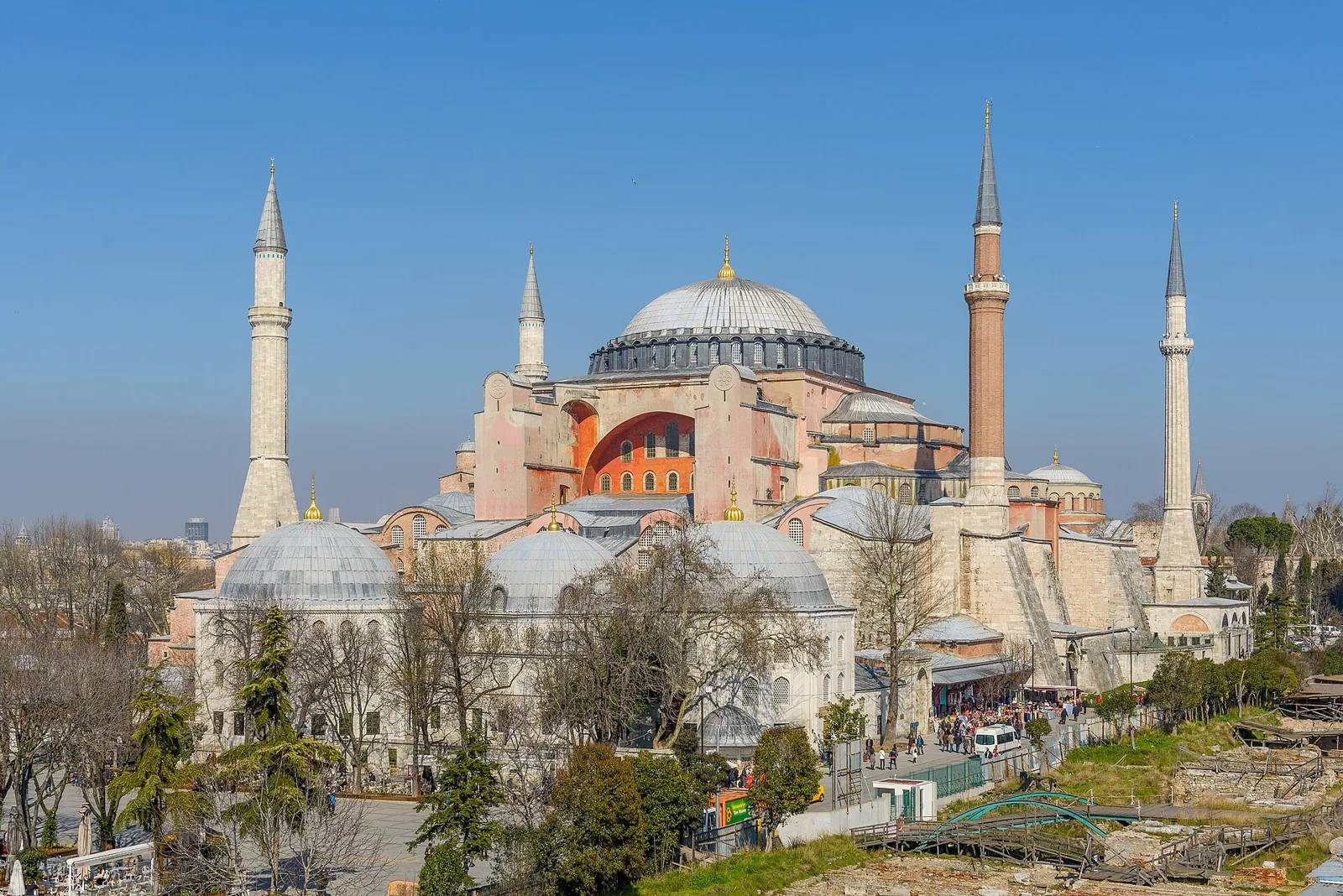
Hagia Sophia's power comes from the layers of history within one extraordinary building. Understanding its present religious function and the separate sightseeing arrangements is essential before buying a ticket or joining a tour.
Why Hagia Sophia matters
The sixth-century Byzantine building later became an Ottoman mosque, then a museum, and returned to mosque use in 2020. Its architecture and surviving decorative traditions reflect those different periods rather than a single unchanged story.
Look for the relationship between the dome, supporting spaces, mosaics and later Islamic additions. A good guide explains the historical layers without presenting worshippers or religious practice as entertainment.
Prayer access and sightseeing are different
The Directorate General of Foundations distinguishes worship from the paid upper-gallery visitor route. Do not assume a ticket gives unrestricted access to every level, or use a prayer entrance as a shortcut around sightseeing arrangements.
Check the current visitor entrance, ticket category and restoration notices directly. The separate Hagia Sophia History and Experience Museum is not the same as the mosque's visitor gallery; read any combined ticket carefully.
Tickets, timing and restoration
Prices and accessible areas can change during conservation work. Confirm what your ticket includes, whether a guide is included and what happens if the area you want is temporarily restricted.
Do not rely on old articles describing universal free tourist entry or the building solely as a museum. Friday prayer and other religious activity can affect access; leave flexibility rather than booking consecutive timed attractions.
A respectful visit
- Wear modest clothing and follow head-covering instructions.
- Observe the rules for footwear in each permitted area.
- Keep voices low and avoid photographing people in prayer.
- Check stairs, ramps and assistance arrangements in advance if mobility is limited.
Accessibility needs should be discussed with the operator rather than inferred from photographs. Historic circulation routes can be challenging even when the main square is easy to reach.
Photography and the surrounding district
Use permitted public views in Sultanahmet to show the building's setting. Inside, follow restrictions for flash, tripods and individual areas; scaffolding or screens may affect the view.
Combine the visit with an unhurried walk rather than trying to fit every old-city monument into one morning. Our Blue Mosque guide covers a nearby active mosque with its own arrangements.
Before booking
Confirm the exact venue, ticket, entrance and date. Use licensed guides and be cautious of vague “all areas” or “skip every queue” promises: security checks and worship restrictions still apply. See the Türkiye first-time guide for a broader route.
Sources and photograph credit
Information checked 26 October 2026. Fees, hours, eligibility and project status can change; confirm with the relevant official authority before paying or travelling.
- Foundations Directorate: worship and gallery arrangements
- Culture Ministry: architectural history (legacy museum wording)
- UNESCO Historic Areas of Istanbul
Photograph: Arild Vågen; Hagia Sophia Mars 2013.jpg; CC BY-SA 3.0. Source-recorded date: 2013-03-01 11:25:10. Resized and converted to WebP for the web. Genuine photograph; not a live view or a claim of present-day conditions.
