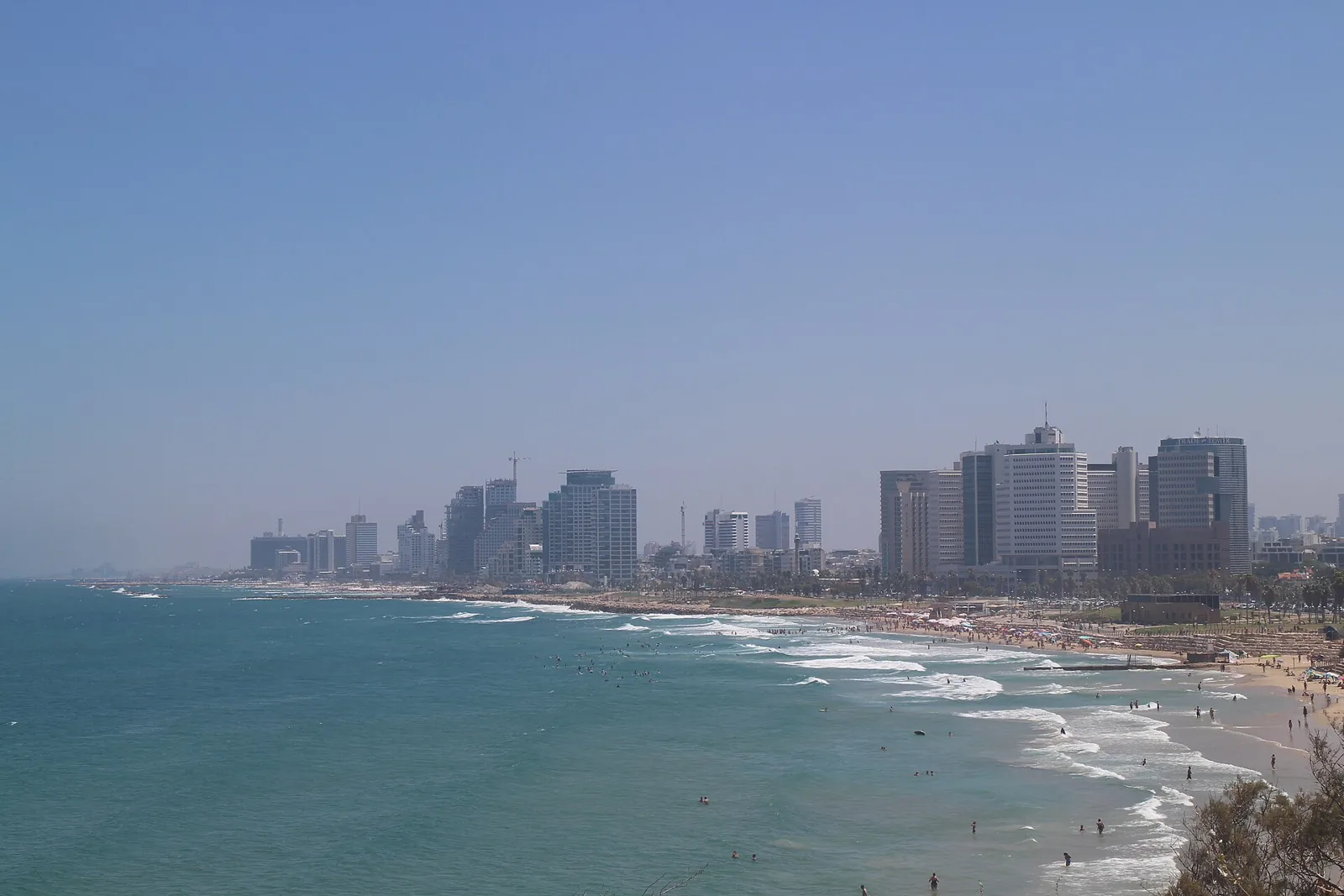
Israel brings Mediterranean waterfronts, desert landscapes and deeply significant religious history into a relatively small area. A useful introduction must also recognise the surrounding conflict, diverse communities and changing access conditions rather than promising an uncomplicated holiday.
Essential orientation
- Currency: Israeli new shekel, usually written ILS or NIS.
- Hebrew is the state language; Arabic has special status. English is common in many visitor-facing businesses, but not universal.
- Tel Aviv is a major commercial and coastal hub. Jerusalem is the seat of Israel's government; its status, particularly East Jerusalem, is internationally disputed.
- Israel is not a GCC state. Gulf residency, tax and company-formation rules do not transfer here.
Understand the historical layers
Ancient Jewish history, Christian traditions, Islamic heritage, Ottoman rule, the British Mandate and the establishment of Israel in 1948 all shape the region. The displacement of Palestinians and the continuing Israeli-Palestinian conflict are essential context, not details to erase from a travel story.
Museums and licensed guides can help distinguish archaeological evidence, religious tradition and modern political interpretation. Use precise place names; a visit to Jerusalem does not mean every nearby destination has the same entry or legal arrangements.
Build a realistic first itinerary
For a short visit, choose a coastal base and one inland focus rather than changing hotels nightly. Tel Aviv-Jaffa suits walking, design and food; Jerusalem requires unhurried time for religious and historical context.
Desert stays around Mitzpe Ramon appeal to landscape lovers, but require transport planning, weather checks and current access advice. Do not add northern border areas simply because an old guide recommends them. Our first-time highlights separates possible experiences from live availability.
Everyday culture and festivals
Jewish, Muslim, Christian, Druze and other communities have distinct calendars and customs. Ask before photographing people, dress respectfully at religious sites and avoid intruding on worship or private neighbourhood life.
Shabbat, from Friday evening to Saturday evening, affects many shops and transport services. Jewish holidays can reshape restaurant menus, accommodation demand and public schedules; Ramadan and Christian festivals also influence particular places. Verify the actual date and local arrangements rather than assuming a normal weekday timetable.
Food and practical spending
Markets bring together many culinary traditions. Try a bakery breakfast, vegetable dishes, hummus or shakshuka, while recognising the shared and sometimes contested regional histories of these foods.
Kosher, halal and vegetarian are different requirements. Ask about certification and cross-contamination rather than treating one as a substitute for another. Our food and slower neighbourhood guide offers a practical starting point.
Entry, transport and trip decisions
Check whether your passport requires a visa or qualifies for ETA-IL. A tourist permission is not a work permit, and a purchased flight does not guarantee admission.
Compare accommodation by its access to the places you actually plan to visit. Keep cancellation options, confirm insurance coverage and check alerts again on departure day. Historical photographs show the destination, not proof that a route is currently open.
Sources and photograph credit
Information checked 28 October 2026. Fees, hours, eligibility and project status can change; confirm with the relevant official authority before paying or travelling.
Photograph: Suicasmo; Skylines of Tel Aviv-Yafo 20180707-2.jpg; CC BY-SA 4.0. Source-recorded date: 2018-07-07 08:22:55. Resized and converted to WebP for the web. Genuine photograph; not a live view or a claim of present-day conditions.
