An insider-style itinerary does not require claiming a place is secret. It means slowing down, supporting local businesses and understanding how a neighbourhood works before treating it as a backdrop.
Jaffa beyond a quick port photograph
Explore public lanes and established craft or food businesses when they are open, leaving time for the port rather than rushing between shops. A local walk can explain the city's Arab and Jewish histories without pretending one narrative covers every resident.
Ask before photographing people at work. Confirm prices and opening days, particularly when planning around Friday, Saturday or religious holidays. A market lane being accessible does not mean every shop is trading.
Haifa's everyday streets
Urban walks can offer a different experience from a beach-and-monument itinerary. Build the day around a few nearby stops rather than repeated uphill transfers; ask a local guide about accessibility if steep streets are difficult.
Choose food businesses for their actual menus and current operation. Do not assume a garden, religious site or hillside viewpoint has unrestricted public entry, and check regional travel advice before adding a northern-city stay.
Mitzpe Ramon with time to observe
The desert rewards patient observation of light, geology and the night sky. Use marked public viewpoints and a qualified local guide for excursions that leave established routes.
Do not describe remote tracks as free alternatives to a regulated visit. Heat, flash floods, restricted areas and cliff edges require local checks. An overnight stay may be more sensible than a long day trip that leaves little time outside the car.
A thoughtful food trail
- Start with a bakery or a simple breakfast rather than ordering every dish at once.
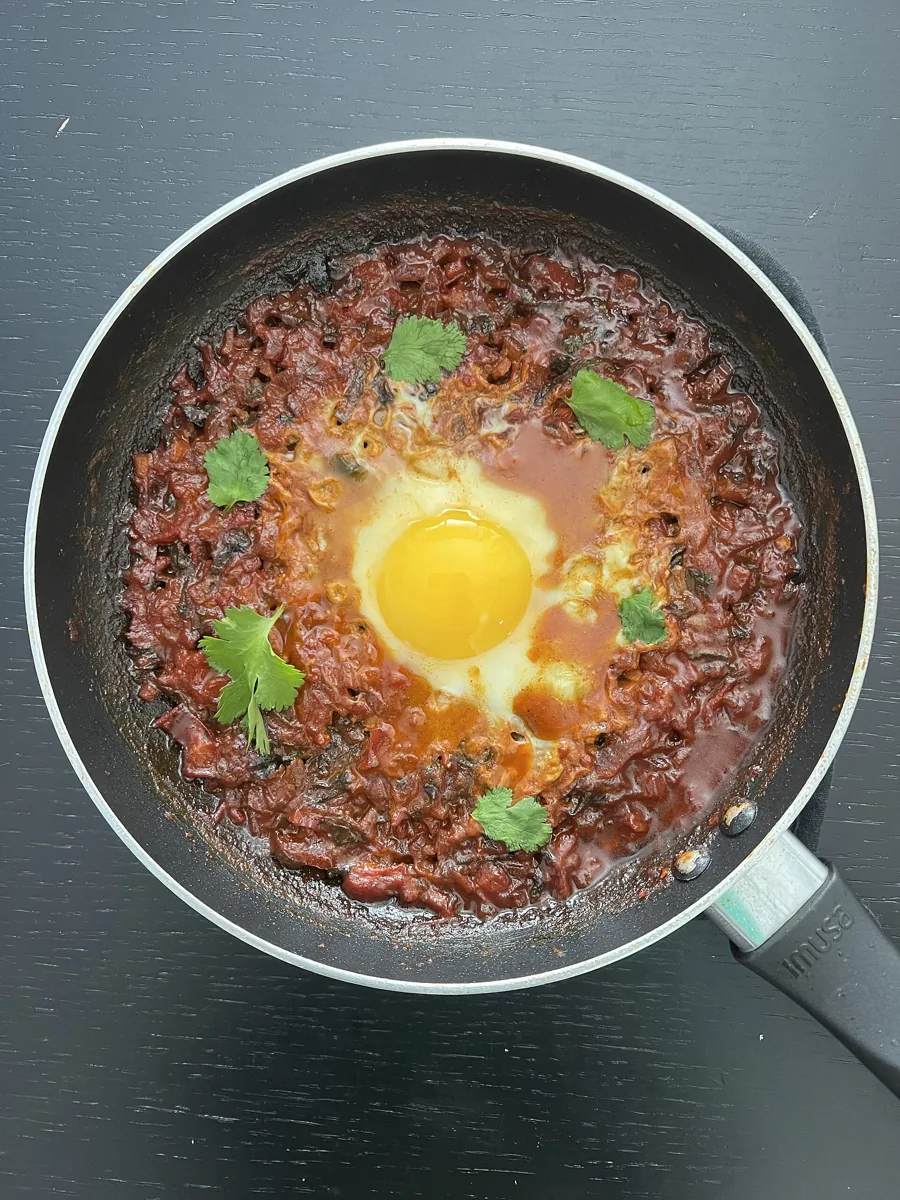
- Try hummus, falafel, vegetable dishes or shakshuka with attention to their wider regional traditions.
- Include foods associated with different Jewish diaspora communities and local Arab cooking where available.
- Ask about portions, ingredients and prices before choosing shared plates.
Food stories should credit the people preparing and preserving them. Avoid assigning a shared dish exclusively to one country or presenting a vendor's family recipe as something we personally tasted when we have not visited.
Dietary needs and market manners
Sesame, wheat, eggs, dairy and nuts can appear in familiar-looking meals. Ask directly about allergens and cross-contact; a vegetarian dish is not automatically vegan, gluten-free, halal or kosher.
Seek permission before recording a kitchen or taking a close portrait. Buy something if you use a business's time for an extended conversation, and do not block service for a social-media photograph.
Guide, taxi or public transport?
For city neighbourhoods, compare walking and current transit options; a taxi can make sense for mobility needs or late transfers. For the desert, a qualified operator adds route knowledge and preparation, not merely a vehicle.
Get a written outline covering pickup, activity length, food, site fees and cancellation. Our budget guide and country introduction help turn these ideas into a realistic route. Skip a stop if the day's official advice makes it unsuitable.
Sources and photograph credit
Information checked 28 October 2026. Fees, hours, eligibility and project status can change; confirm with the relevant official authority before paying or travelling.
Photograph: HaJunkiyada; Liat Portal for Foodie Disorder – Shakshuka cooked at home.jpg; CC BY-SA 4.0. Source-recorded date: 2024-11-16 14:12:44. Resized and converted to WebP for the web. Genuine photograph; not a live view or a claim of present-day conditions.
