Budget travel in Israel works best when you save on unnecessary transfers rather than cutting essential insurance or choosing an unsuitable route. Free waterfront time and neighbourhood walks can balance the cost of a worthwhile museum, archaeological site or qualified guide.
Choose your base before hunting for bargains
A cheap room far from your planned activities can lead to repeated taxi fares. Compare the total of accommodation, transport, breakfast, baggage storage and late arrival arrangements.
For a short stay, one base usually costs less than several hotel changes. Book cancellable accommodation where possible and confirm whether the advertised amount includes applicable taxes and service charges for your visitor status.
Build a low-cost coastal day
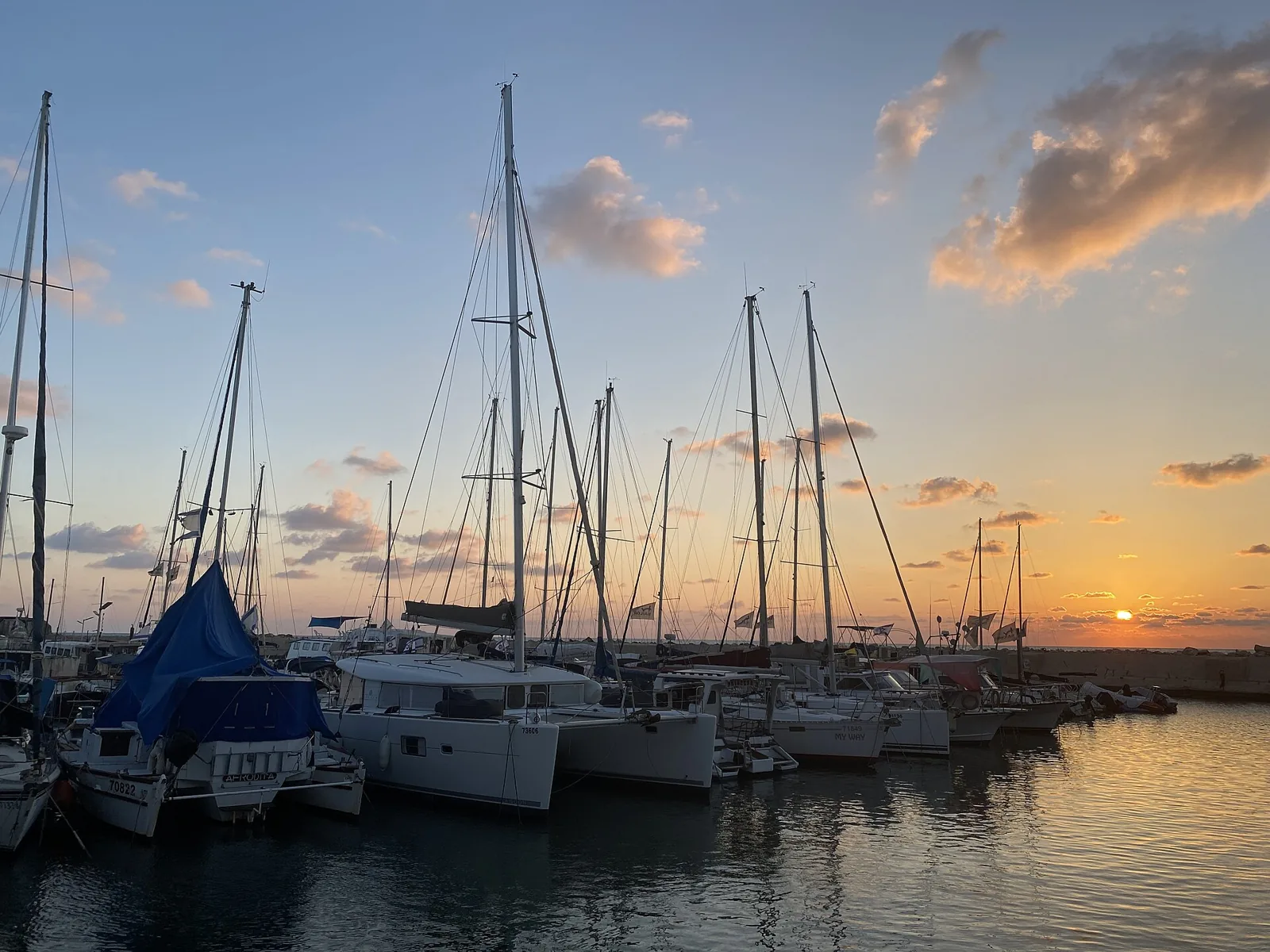
Walk a public waterfront section in Tel Aviv, explore Jaffa's public lanes and choose one paid attraction rather than buying several overlapping tours. Cooler morning and evening hours can make walking more pleasant.
Public access to a beach does not mean every chair, umbrella, shower or locker is free. Check facilities, use supervised swimming areas and respect weather flags. Market browsing is free; a restaurant bill is not a substitute for checking the menu beforehand.
Public transport and Shabbat
Compare rail, light rail and buses for the exact trip, including how fares are paid and validated. A travel card or app must suit the service you are using; verify eligibility before assuming a tourist gets a local discount.
Many services change or stop around Shabbat and holidays. A cheap Friday arrival may require an expensive transfer, so include that in the airfare comparison. Do not base a connection on an old timetable screenshot.
Eat well without turning every meal into an event
Bakery breakfasts, simple cafés and market meals can help control spending. Ask for the price of extras, drinks and takeaway packaging before ordering; shared plates do not always work out cheaper than individual portions.
Choose places with clear prices and sensible food handling. Kosher or halal needs require their own checks. Carry drinking water and refill only where the supply is designated safe; do not ration hydration to save money on a desert day.
Pay for the things that need expertise
A good archaeological or religious-site guide can be better value than several rushed taxi stops. Compare exactly what a tour includes: transport, admission, guiding, food and cancellation terms.
Masada entry, cable-car travel and a Dead Sea facility can be separate costs. Our Masada visitor guide explains the access choices so a low advertised price does not become an expensive day.
A practical budget worksheet
- Fixed costs: flights, entry permission, insurance and accommodation.
- Daily costs: food, local travel and planned admissions.
- Optional costs: guided tours, beach facilities and shopping.
- Contingency: changed flights, longer stays or unexpected transfers.
Use current quotes in NIS and your actual card exchange rate. There is no reliable single daily amount for every traveller, city or security situation.
What should never be the saving?
Do not use unauthorised shoreline access, restricted sites or closed trails to avoid a fee. Keep appropriate insurance and a flexible return plan. See our first-time itinerary shortlist to choose a manageable route rather than a costly race between regions.
Sources and photograph credit
Information checked 28 October 2026. Fees, hours, eligibility and project status can change; confirm with the relevant official authority before paying or travelling.
Photograph: שלמה רודד; 117719 jaffa-sunset port PikiWiki Israel.jpg; CC BY 2.5. Source-recorded date: 2.9.2024. Resized and converted to WebP for the web. Genuine photograph; not a live view or a claim of present-day conditions.
