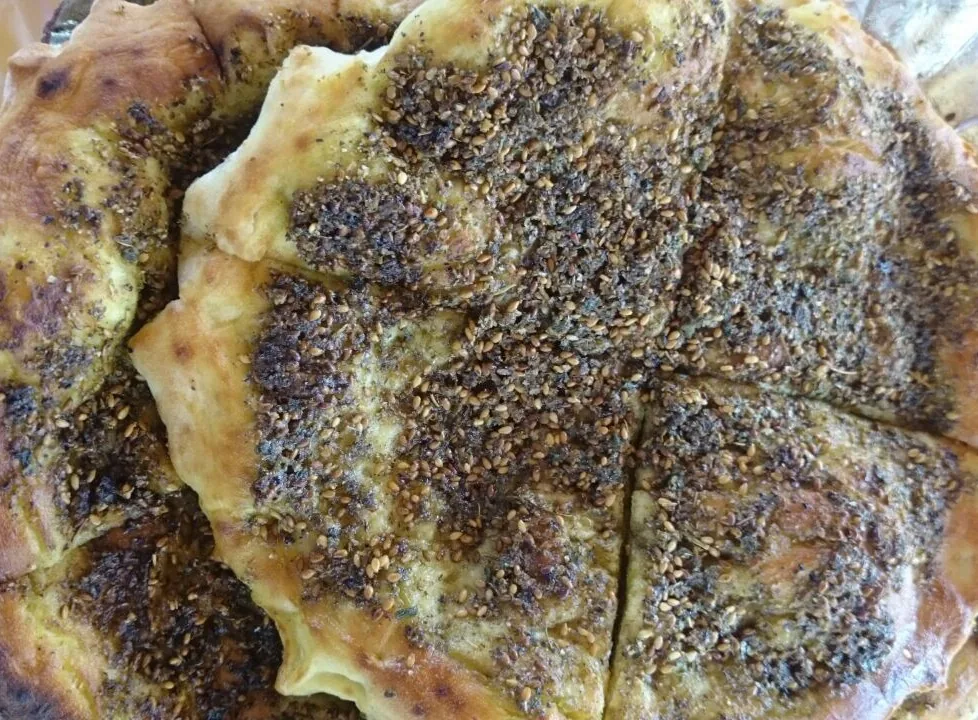
A Lebanese food trail can begin with a bakery rather than an elaborate tasting menu. The most rewarding approach follows everyday habits, asks about ingredients and gives working neighbourhoods the same respect as famous monuments.
Start with man'oushe
Man'oushe is more than a convenient breakfast: UNESCO recognises its preparation as a Lebanese culinary practice. The bread and its toppings connect skills, family routines and small neighbourhood businesses.
Ask what is being baked fresh and what the topping contains. Za'atar mixtures commonly involve sesame, and cheese or labneh additions matter for people avoiding dairy; do not assume a plain-looking bread is allergen free.
Understand a mezze table
Mezze describes a way of sharing several preparations rather than one fixed menu. Tabbouleh, hummus, vegetables, pickles and other dishes may appear, but ingredients and house styles vary.
Order gradually to avoid waste and ask how portion sizes work. Clarify whether bread, water and additional plates are included before treating a displayed dish price as the total meal cost.
Kibbeh and food-safety questions
Kibbeh has multiple forms, some cooked and some served raw. Ask explicitly which version you are ordering; raw meat carries additional food-safety risk, especially for vulnerable diners.
Vegetarian needs require clear questions about meat, stock and shared preparation. A vegetable-heavy table is not automatically vegan or suitable for every allergy.
Neighbourhoods without the secret-place cliché
Historic streets in Tripoli, coastal settings in Batroun and Byblos, and Beirut's varied neighbourhoods offer different contexts for food. None should be presented as an unknown discovery that exists for visitors alone.
Check current area advice before choosing a route. Do not enter private courtyards, film residents or photograph a bakery worker closely without consent.
Mountain food and local producers
When conditions permit, ask licensed local guides about seasonal produce and established businesses rather than improvising remote detours. Confirm whether a visit is a working farm, shop, restaurant or paid demonstration.
Producer visits can require appointments and transport. A remote stop advertised as authentic is not necessarily accessible, free or appropriate under present conditions.
A practical tasting plan
- Choose one manageable area and verify current access.
- Ask about fresh items, ingredients, price and payment currency.
- Carry only what you can store safely, especially dairy or meat products.
- Buy with consent, avoid waste and credit people accurately if sharing their work.
Our budget guide explains transport and billing questions. The country introduction provides context for hospitality and community diversity. Good food writing should make readers more considerate guests, not simply give them a list of dishes to collect.
Sources and photograph credit
Information checked 29 October 2026. Fees, hours, eligibility and project status can change; confirm with the relevant official authority before paying or travelling.
Photograph: Mervat Salman; Manaqish.jpg; CC BY-SA 4.0. Source-recorded date: 2016-12-02. Resized and converted to WebP for the web. Genuine photograph; not a live view or a claim of present-day conditions.
