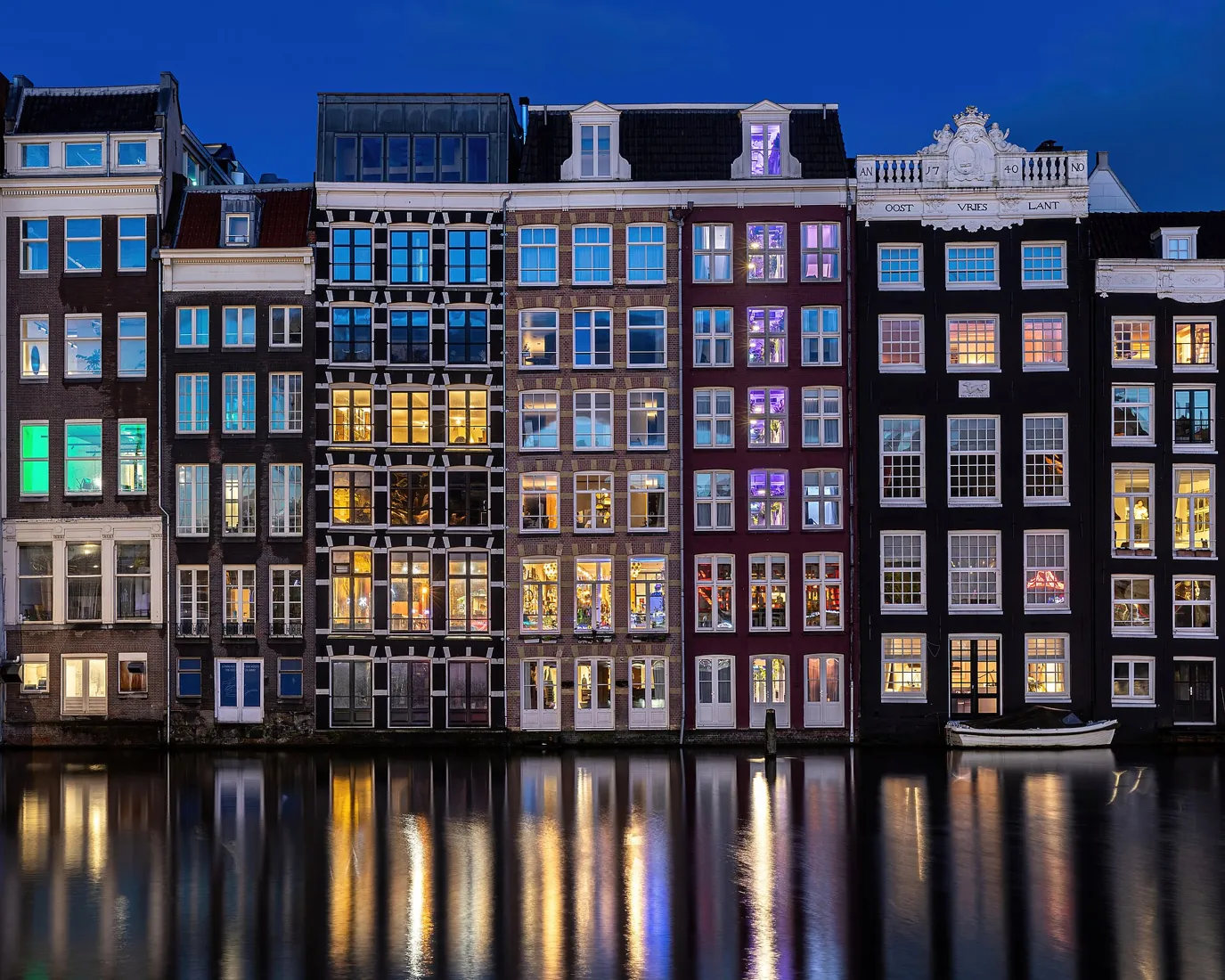
The Netherlands is easier to appreciate when Amsterdam is an introduction rather than a definition. Utrecht's streets, Rotterdam's skyline, Haarlem's centre and Zeeland's water landscape offer different ways to understand a small country with considerable variety.
Choose a route with room for those differences. The separate first-trip guide covers the overall itinerary; this article adds cultural questions that help a visit become more than a succession of famous photographs.
Begin with the right names
Use the Netherlands for the country rather than treating Holland as the name of every region. Local identity matters, and a capital-city experience cannot represent every province or community.
Ask what distinguishes the place you are visiting. A regional museum or guide can provide a better answer than a stereotype about how all Dutch people live.
Water is an active relationship
Canals, dykes and barriers are infrastructure as well as scenery. A water-management visit can explain why engineering, landscape and daily life are closely connected.
Do not describe every waterside structure as the same kind of defence. Our separate Delta Works guide introduces an operating storm-surge barrier rather than a newly announced construction project.
Read history with several voices
Art collections and trading-city architecture can reveal prosperity and exchange, but also prompt questions about empire, exploitation and whose stories were recorded. Seek interpretation that includes these perspectives.
A decorative façade alone is not a complete historical explanation. Give exhibitions and local accounts enough time to complicate the postcard view.
Culture is contemporary too
Museums, design and changing urban neighbourhoods belong beside older heritage. Rotterdam and Amsterdam need not be judged by the same architectural expectations.
Choose a few places that match your interests rather than assuming the most photographed ones are the only important experiences.
Follow local food choices
A market, bakery or neighbourhood restaurant can introduce contemporary tastes and regional products. Ask what is seasonal and how the dish is prepared.
Explain allergies and dietary restrictions clearly. Familiar-looking cheese, fish or pastry is not a complete ingredient list, and a translated menu can leave important details out.
Share public space thoughtfully
Cycling routes are working transport space. Pay attention before crossing, keep luggage out of moving lanes and stop for photographs where you do not block others.
Respect residential entrances and canal edges. Ask before photographing a person closely and follow local rules on noise and public behaviour.
Festivals and seasons need dates
Confirm the actual organiser's calendar and current transport arrangements. A previous year's event date or flower photograph is not proof of what will be available during your visit.
A balanced introduction
- Combine one major collection with a neighbourhood walk.
- Give a second city its own identity and useful time.
- Check weather and current services before excursions.
Travel becomes more rewarding when curiosity replaces the need to complete a national checklist.
Continue planning Netherlands
- Plan a first trip to Netherlands
- Rijksmuseum Amsterdam: Tickets, Art and a Visit That Leaves Time to Look
- Utrecht’s Domkerk: Sacred Heritage, Cathedral Square and a Respectful Visit
- The Delta Works Explained: Oosterschelde Engineering and Water Safety
- The Netherlands on a Budget: Amsterdam Walks, Vondelpark and Smarter Tickets
- A Slower Haarlem: Grote Markt, Historic Streets and Local Food Stops
- Netherlands Business Setup: Startup and Self-Employed Residence Explained
- How to Move to the Netherlands: Legal Work, Study, Family and Founder Routes
- Luxury Netherlands: Amsterdam Stays, Private Culture and Waterway Experiences
Official sources and photograph credit
Reconfirm current rules, access and charges with the responsible official source before booking or applying.
- Netherlands official tourism: regional and cultural planning
- Rijksmuseum: collections and visiting
- Rijkswaterstaat: water management
Photograph: Basile Morin; Water reflection of canal houses at blue hour in Damrak Amsterdam the Netherlands.jpg; CC BY-SA 4.0. Resized and converted to WebP. Genuine archival photograph, not a live view.
