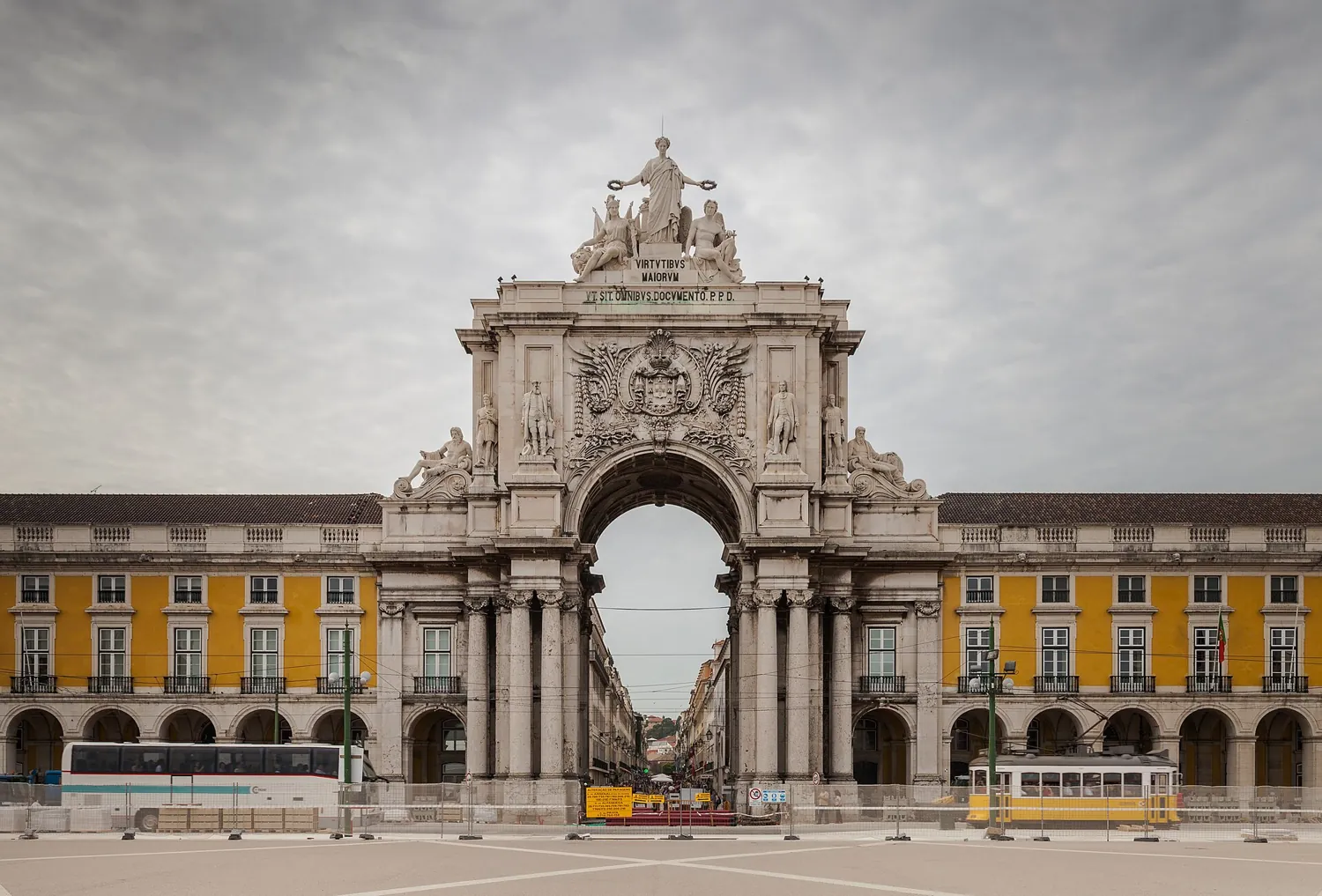
Portugal rewards a journey that looks beyond a list of viewpoints. A Lisbon square, a Coimbra university visit and a meal in a northern town can tell different stories. Choose a route that gives those differences room to emerge.
The first-trip guide covers the overall travel framework. This introduction concentrates on cultural context and the questions that make a visit more thoughtful.
Read the coast with history
Portugal's Atlantic setting shaped trade, travel and encounters far beyond Europe. When visiting monuments connected with maritime expansion, look for interpretation that includes its consequences as well as its achievements.
An ornate façade cannot explain the whole history. Museums, archival material and guides can help place celebrated figures alongside the people affected by their actions.
Recognise several regional identities
Lisbon and Porto offer different urban experiences, while Coimbra and the Douro provide further contrasts. Do not assume that a capital-city menu or neighbourhood represents the whole country.
Mainland travel and trips to Portugal's Atlantic islands also require different planning. Distances and transport conditions should shape the itinerary before an attractive photograph does.
Choose cultural visits with purpose
Pair one major ticketed attraction with a public-space walk and a meal. A palace, monastery and university are different institutions, with different rules and stories.
Take time to read the context. Asking why a building changed or what it is used for today often reveals more than collecting its name.
Follow the local table
Try a bakery or a modest restaurant and ask about the day's choices. Regional food is easier to enjoy when you are curious rather than determined to order an entire national checklist.
Ask about ingredients and preparation if allergies or dietary restrictions matter. Fish, meat stock, dairy and alcohol may not be obvious from a short translated menu.
Music and festivals need care
Confirm the venue's current programme and ticket conditions. A cultural label does not guarantee the same performance, meal or atmosphere in every establishment.
Public celebrations can affect accommodation and transport. Check dates with the organiser and leave room for crowds rather than copying an earlier year's calendar.
Public streets are lived-in places
Keep residential entrances clear and ask before making people the subject of a close photograph. A narrow picturesque street may still be someone's only way home.
Follow religious and museum rules on clothing, silence and photography. Buying admission does not remove a site's responsibility to worship, conservation or daily work.
Plan for the terrain
Hills, steps and uneven paving can change an easy-looking walk. Ask about the actual route if mobility or luggage is a concern and wear appropriate shoes.
A coherent first introduction
- Choose fewer bases and give each useful time.
- Balance famous monuments with regional everyday life.
- Check current schedules before booking connections.
A memorable visit comes from attention and context, not simply the number of stops reached.
Continue planning Portugal
- Plan a first trip to Portugal
- Pena Palace in Sintra: Ticket Choices, Hilltop Access and a Better Visit
- Jerónimos Monastery: Lisbon’s Sacred Heritage, Cloisters and Visitor Planning
- Portugal’s Porto–Lisbon High-Speed Railway: Construction and Future Travel
- Portugal on a Budget: Lisbon Walks, Garden Breaks and Smarter Spending
- A Slower Coimbra: University Heritage, Historic Streets and Local Food
- Portugal Business Setup: Company Formation, Entrepreneur Visas and Real Costs
- How to Move to Portugal Legally: Work, Study, Family and Remote Work
- Luxury Portugal: Lisbon Culture, Porto Stays and a Slower Douro Escape
Official sources and photograph credit
Reconfirm current rules, access and charges with the responsible official source before booking or applying.
Photograph: Diego Delso; Arco Triunfal da Rua Augusta, Plaza del Comercio, Lisboa, Portugal, 2012-05-12, DD 02.JPG; CC BY-SA 3.0. Resized and converted to WebP. Genuine archival photograph, not a live view.
