The best places to understand Iran span several eras and landscapes. This list is a cultural reading itinerary for a future trip, not encouragement to travel while current government advice warns against doing so.
Monumental cities and archaeology
- Persepolis: imperial terraces and carved delegations make this essential for ancient-history readers. A future visit needs time for exposed walking and interpretation, not just a gateway photograph.
- Isfahan's Meidan Emam: the monumental square connects religious, royal and commercial architecture. Architecture enthusiasts should study the ensemble rather than treating each building as unrelated.
- Pasargadae: a different Achaemenid setting from Persepolis, associated with Cyrus the Great. Keep the two sites and their histories distinct when planning distances or interpreting monuments.
Living urban heritage
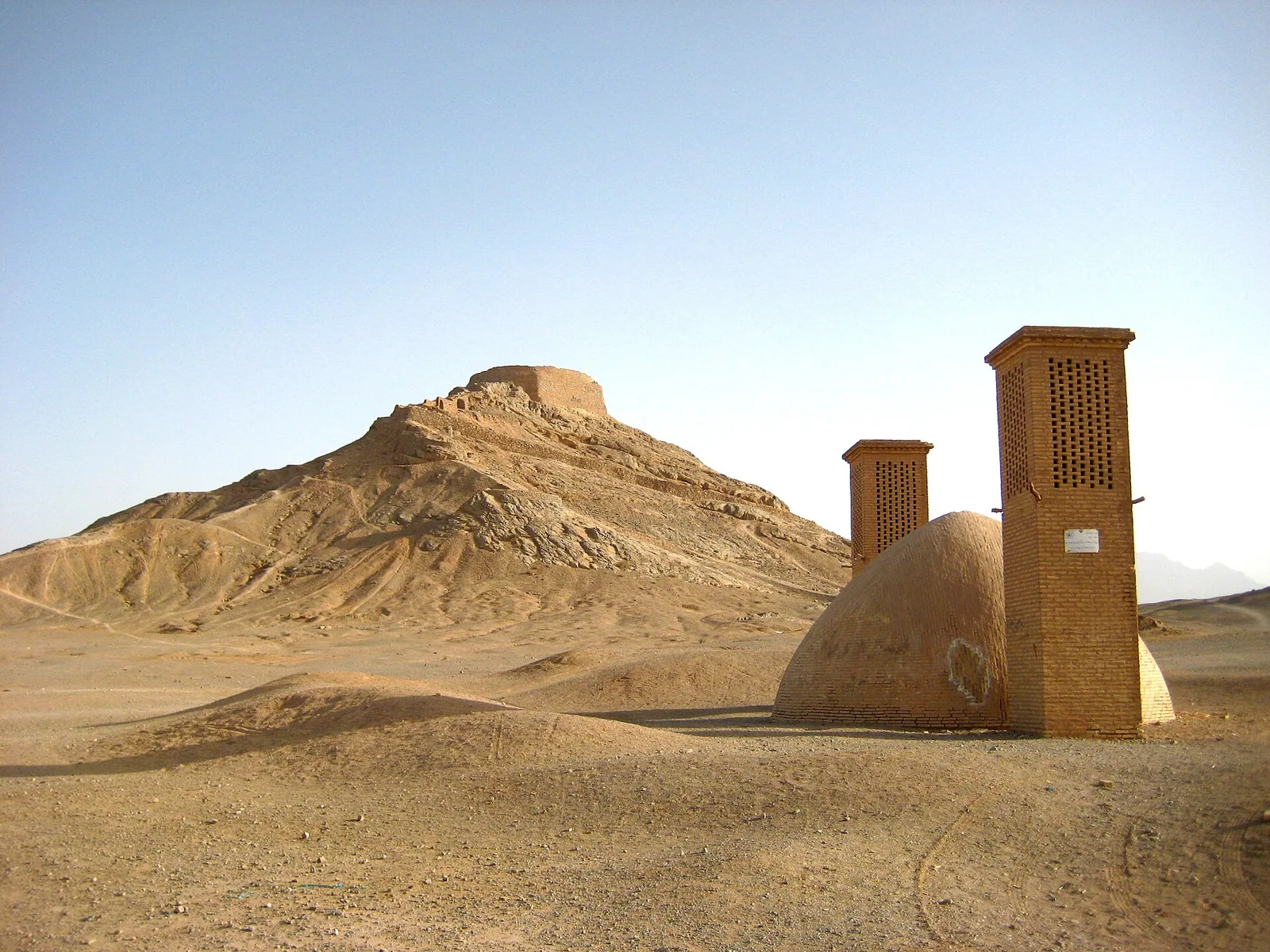
- Yazd: earthen buildings and shaded streets make adaptation to an arid environment visible. It suits travellers interested in everyday urban design, with attention to residential privacy.
- Tabriz Bazaar: interconnected covered spaces explain commerce as part of a city's social fabric. Ask before photographing workshops or handling goods; traders are working, not performing.
- Tehran's Golestan Palace: royal buildings and decorative arts provide a later historical chapter. Check the separate spaces and ticket arrangements rather than assuming one price includes every museum room.
Gardens, water and landscapes
- Kashan's Fin Garden: water channels and enclosure help explain Persian garden design. Spring or autumn can be more comfortable for a future outdoor visit, but weather and current access still require checking.
- Shiraz's Eram Garden: a garden setting for readers interested in landscape composition. A photogenic exterior is not permission to enter every building or planted area.
- The Persian Qanat heritage: underground water systems reveal the relationship between settlement and resources. Specialist interpretation is more valuable than entering an underground space without qualified supervision.
- The Trans-Iranian Railway: a route through contrasting terrain, recognised for engineering heritage. Study the historic corridor; do not assume a continuous tourist train operates over every section.
Match places to interests, not a rushed checklist
Ancient history suggests a different focus from gardens or living bazaars. When conditions eventually permit, select fewer bases and account for long intercity distances rather than joining all ten into a short holiday.
Spring and autumn are often more comfortable in central cities; mountain winters and southern summer heat require different planning. Nowruz holidays can affect demand and opening arrangements.
Practical questions before booking
- Is travel currently advised against for your nationality or circumstances?
- Are the site, route, accommodation and insurance actually available and appropriate?
- What are the current ticket rules, access needs and photography restrictions?
- How will you pay lawfully if international cards do not work?
Read our budget planning guide and religious heritage introduction for the questions that an attractive landmark list cannot answer on its own.
Sources and photograph credit
Information checked 29 October 2026. Fees, hours, eligibility and project status can change; confirm with the relevant official authority before paying or travelling.
Photograph: Taranis-iuppiter; Yazd towers of silence.JPG; CC BY-SA 3.0. Source-recorded date: 2011-06-01. Resized and converted to WebP for the web. Genuine photograph; not a live view or a claim of present-day conditions.
