Egypt is far more than a photograph of the pyramids. Nile-side cities, living religious traditions, Mediterranean streets and Red Sea landscapes make it rewarding to choose a route with a clear focus rather than trying to see the whole country at once.
Essential orientation
- Cairo is the capital and the centre of a vast metropolitan region that includes Giza.
- The currency is the Egyptian pound, written EGP. Compare current local prices and card charges rather than using an old exchange rate.
- Arabic is the official language. English is widely used in many tourism businesses but cannot be assumed everywhere.
- Egypt is in North Africa and is commonly included in the wider Middle East; it is not a GCC country.
History beyond a single dynasty
Ancient Egyptian kingdoms, Greek and Roman periods, Coptic Christianity, Islamic dynasties, Ottoman rule and modern statehood all contribute to the country's history. Temples, churches, mosques and contemporary neighbourhoods tell different parts of that story.
Allow museums to explain the context rather than treating artefacts as a collection of famous objects. The Grand Egyptian Museum near Giza and the Egyptian Museum in Tahrir are separate institutions; choose deliberately instead of assuming one ticket covers both.
Choose your first route
Cairo and Giza suit an introduction to monuments, museums and urban life. Luxor and Aswan reward travellers who want more time with temples, the Nile and ancient landscapes.
A Red Sea stay suits marine activities and slower resort days, while Alexandria adds a Mediterranean urban perspective. A one-week trip is usually better with two or three bases than daily hotel changes. Our first-time highlights helps select priorities.
Culture and festivals
Islam and Christianity are important to everyday life and the calendar. Ramadan, Eid and Coptic Christmas affect local routines, services and demand; the details differ by city and year.
Dress respectfully at places of worship, ask before photographing people and use a guide who explains local context without treating residents as attractions. National celebrations and religious holidays can change opening hours; verify the actual date rather than copying a previous year's event list.
Food worth making time for
Ful medames, ta'ameya, koshary, bread, seasonal vegetables and regional sweets offer alternatives to an expensive hotel-only menu. Fish and seafood are part of many coastal food experiences, while Nile and southern communities have their own traditions.
Ask about nuts, sesame, wheat and dairy, and choose vendors with sensible handling and clear prices. Our hidden gems and food trails connects food with neighbourhood visits rather than a checklist of dishes.
Seasons and practical travel
Cooler months generally make long archaeological days more comfortable, while Red Sea and Mediterranean conditions differ. Heat, sun exposure and transfer time deserve as much attention as the attraction list.
Check visa eligibility for your passport using the official portal or consulate. Keep water, appropriate insurance, offline booking details and a flexible contingency plan. Border and desert areas have different restrictions from the standard Nile visitor route; do not assume one national description covers every region.
What about business and relocation?
Egypt's large domestic market, logistics connections and investment regimes attract business interest, but setting up a company is not a promise of residence or tax-free trading. Read our separate business setup guide before comparing commercial packages with a holiday budget.
Sources and photograph credit
Information checked 28 October 2026. Fees, hours, eligibility and project status can change; confirm with the relevant official authority before paying or travelling.
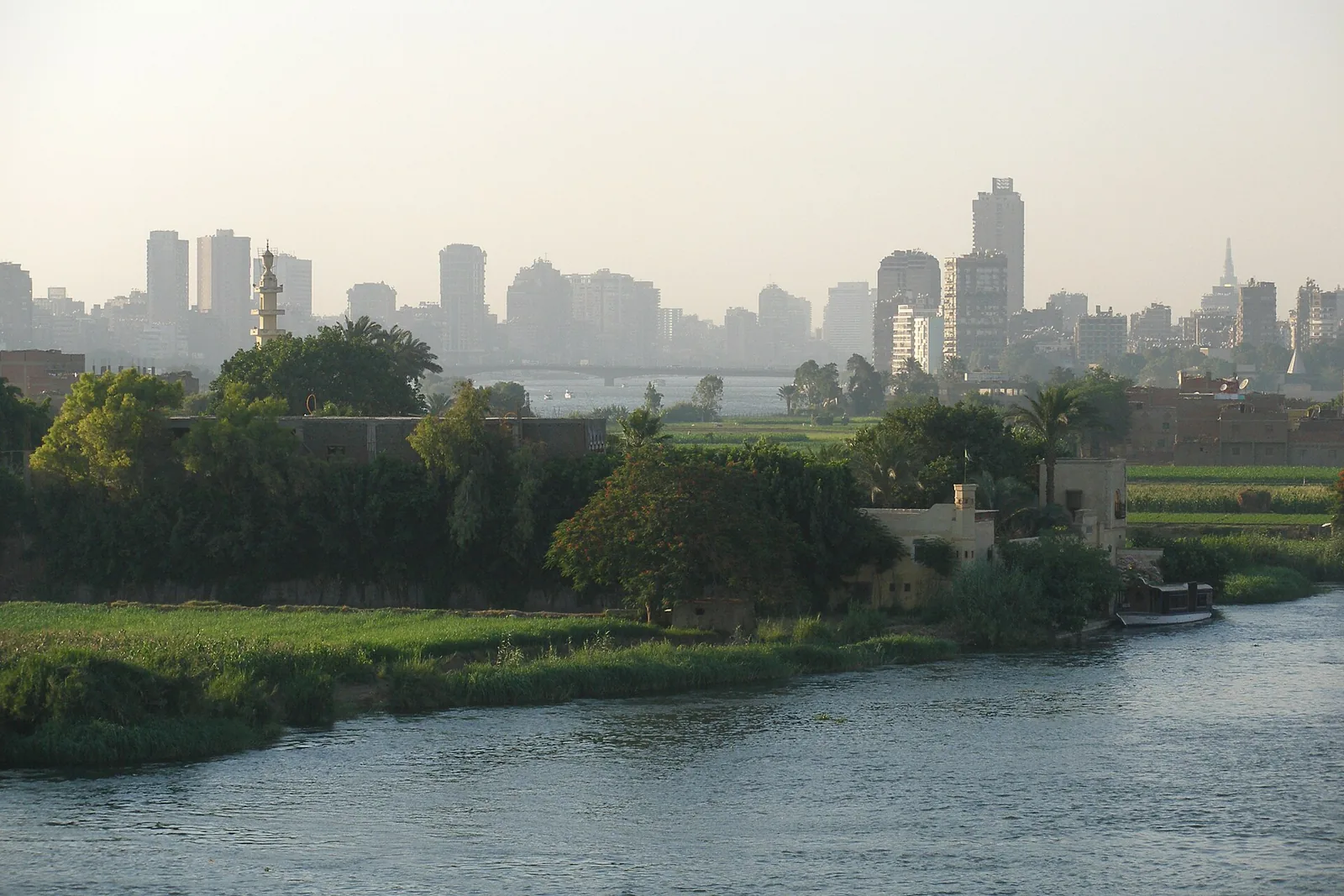
Photograph: Vyacheslav Argenberg; Cairo skyline, Nile River, Egypt.jpg; CC BY 4.0. Source-recorded date: 2007-06-17 18:49:28. Resized and converted to WebP for the web. Genuine photograph; not a live view or a claim of present-day conditions.
