Jerusalem's holy places are living centres of faith, not simply a collection of sightseeing stops. The best visit leaves room for worship, different historical narratives and access restrictions that may change within a day.
Understand the geography and sensitivities
The Old City contains sites sacred to Judaism, Christianity and Islam. East Jerusalem's political status is disputed internationally; listing a site in this practical guide is not a statement resolving sovereignty.
Use a guide who can explain different traditions respectfully. A tour advertised as covering several religious sites may still be unable to enter a particular compound, chapel or prayer space on the day.
Western Wall
The Western Wall is a major Jewish place of prayer associated with the retaining structures of the ancient Temple complex. Allow for screening, modest dress and the rules of the prayer areas.
Do not photograph worshippers at close range without permission. Shabbat and festivals affect photography and other conduct; follow staff instructions rather than copying what another visitor is doing. Tunnel tours, if offered, have separate booking arrangements from the outdoor plaza.
Church of the Holy Sepulchre
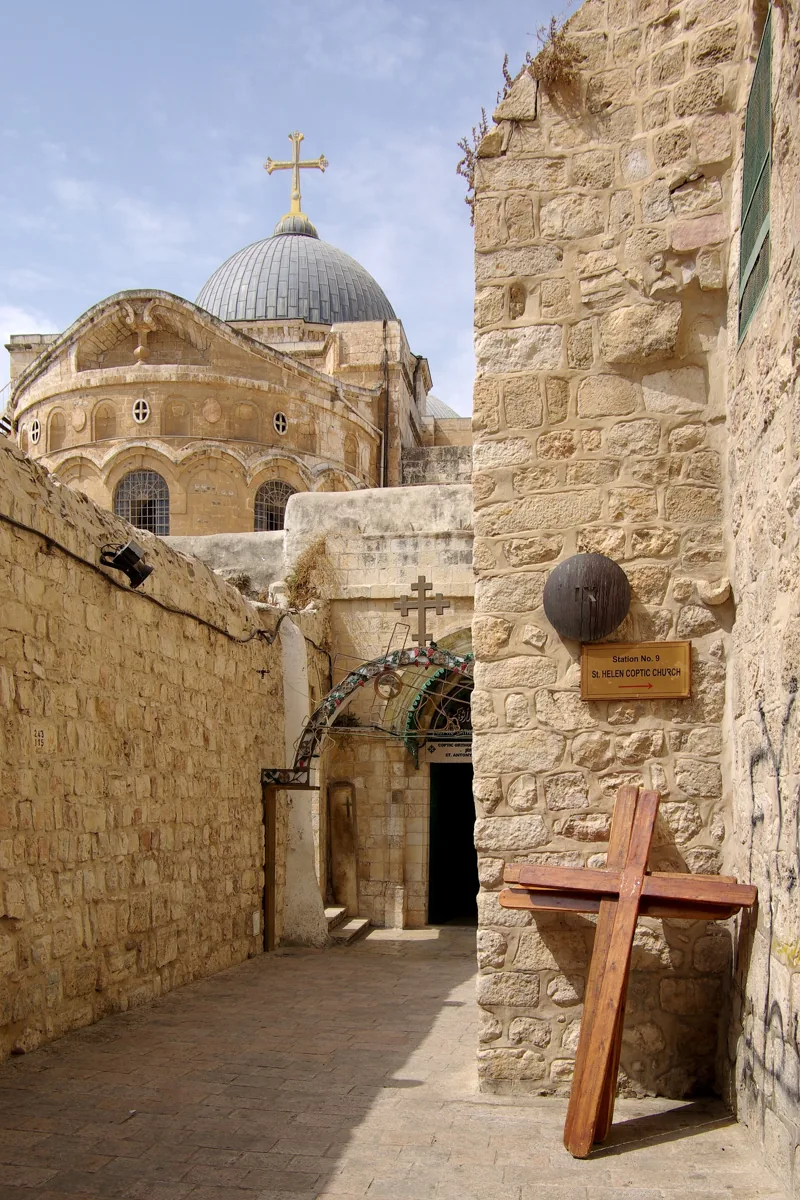
This church is deeply important to Christians as the traditionally identified location of Jesus's crucifixion, burial and resurrection. Different Christian communities share responsibilities within the building.
Services and processions take precedence over sightseeing. Expect uneven stone, narrow passages and queues, and allow time without demanding access to a chapel in use. General entry and a commercial guided tour are different products.
Al-Aqsa Mosque compound / Haram al-Sharif
Known in Jewish tradition as the Temple Mount, this is a profoundly significant and sensitive religious compound. Muslim worship access and non-Muslim visitor arrangements differ; permission to enter the outdoor compound does not mean permission to enter the mosque buildings.
Check the current gate, visitor hours, religious restrictions and security notices locally through recognised authorities and a qualified guide. Never promise readers guaranteed admission, use a worship entrance to evade rules or treat a closure as a problem to work around.
Build a considerate day
- Choose two or three priorities rather than forcing every site into one morning.
- Wear clothing that covers shoulders and knees; carry a light layer where additional covering is required.
- Keep voices low and leave space for people praying.
- Ask before taking photographs; obey restrictions even if a location is photogenic.
- Confirm the exact meeting point and accessible route with your guide.
Money, transport and responsible context
Do not pay someone who claims to sell guaranteed access to a restricted sacred space. Clarify whether a quoted tour price includes guiding only, entry to a separate attraction or transport.
Allow walking and security time between locations; cobbled streets can be tiring and some routes involve steps. Bethlehem and other West Bank destinations require their own legal, transport and security assessment, not an assumed extension of this walking itinerary.
Read our country introduction and legal entry guide before organising a pilgrimage. If current advice makes a visit unsuitable, learning the history remotely is preferable to treating a booking as an obligation to travel.
Sources and photograph credit
Information checked 28 October 2026. Fees, hours, eligibility and project status can change; confirm with the relevant official authority before paying or travelling.
Photograph: Berthold Werner; Jerusalem Holy Sepulchre BW 22.JPG; CC BY-SA 3.0. Source-recorded date: 2010-09-24. Resized and converted to WebP for the web. Genuine photograph; not a live view or a claim of present-day conditions.
