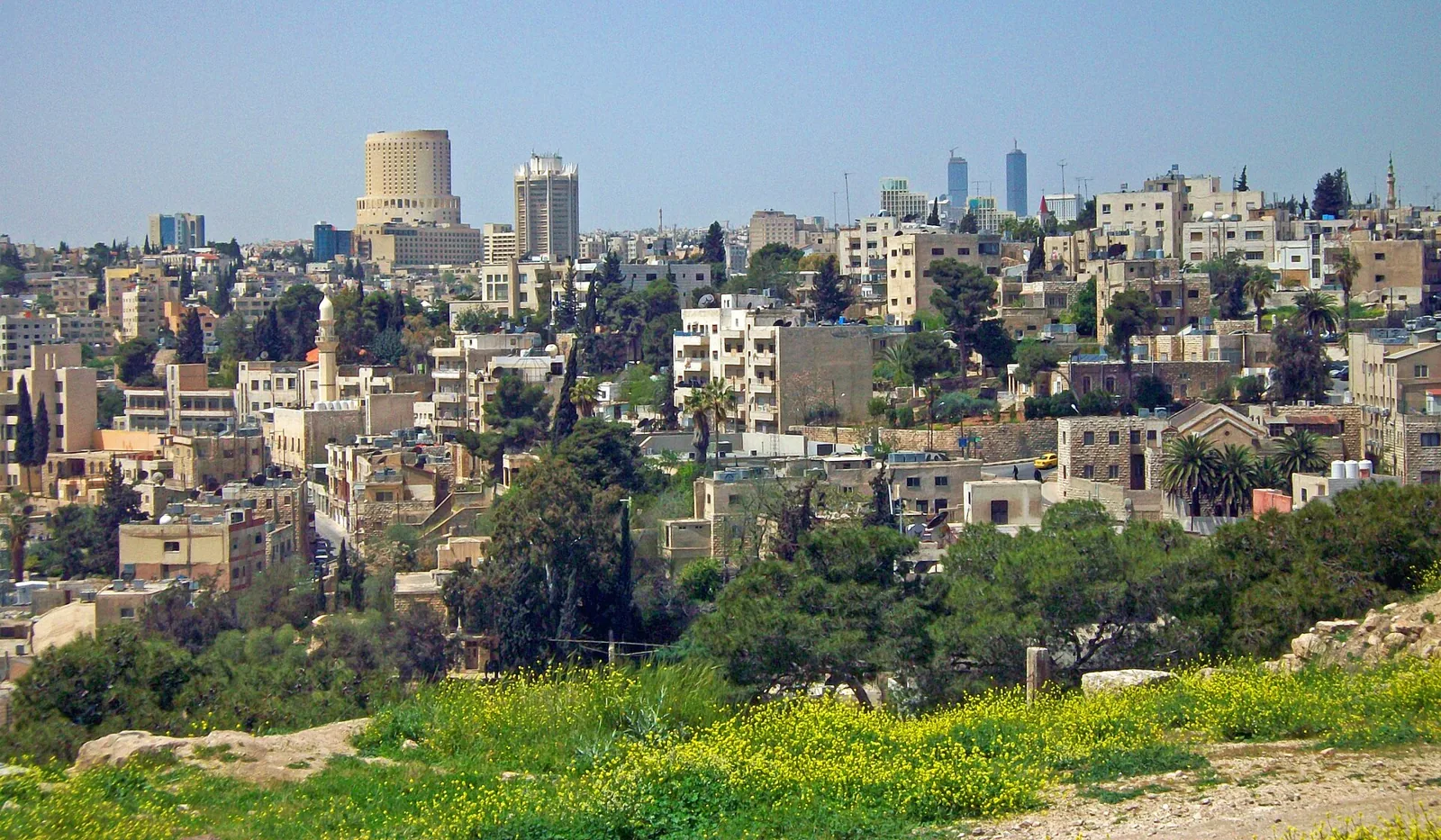
Jordan's appeal lies in contrasts: the streets of Amman, Petra's carved sandstone, northern archaeological towns and the open desert of Wadi Rum. The country deserves a route that connects these experiences rather than treating them as isolated photographs.
Essential orientation
- Capital: Amman; currency: Jordanian dinar (JOD).
- Arabic is official; English is commonly used in major visitor services.
- Jordan is a Middle Eastern country, not a GCC member.
- Distances, mountain roads and sightseeing walks make realistic pacing important.
History and the Hashemite state
Ancient kingdoms, Nabataean trade, Roman cities and later Islamic and Ottoman periods all contribute to the historical landscape. Petra and Jerash tell different stories; seeing one does not replace the other.
The Emirate of Transjordan was established in 1921 and independence followed in 1946. King Abdullah II is the current monarch, as verified through the Royal Hashemite Court. Respectful historical interpretation should distinguish archaeology, religious tradition and the modern state.
Culture and hospitality
Jordanian life includes urban communities, rural traditions and Bedouin heritage, alongside the experiences of diverse families and communities. Hospitality is important, but visitors should not assume a home, camp or workshop is open without an invitation or booking.
Ask before portraits, dress respectfully at religious sites and follow local guidance during Ramadan. Eid dates vary with the Islamic calendar; Independence Day is observed on 25 May.
Food worth making time for
Mansaf is closely associated with Jordanian hospitality and celebrations. Ask about the use of jameed and other ingredients, especially if you have dairy allergies or dietary restrictions.
Falafel, hummus, maqluba and sweets such as knafeh can form part of a varied food day. Community-based meals offer another perspective when booked respectfully through the host or official listing.
Economy and resources
Services, tourism, industry, agriculture and mineral resources contribute to the economy, while water availability is an important development issue. Avoid applying the oil-rich Gulf model to Jordan or describing every investment zone as tax-free.
Entrepreneurs should study demand and operating costs alongside the licensing framework. Our Jordan business setup guide explains the main decisions.
Plan the first journey
We suggest seven or more days for Amman, a northern excursion, Petra and Wadi Rum, adding the Dead Sea or Aqaba if time allows. This is a pacing suggestion, not a requirement to visit every region.
Spring and autumn often suit walking, but desert, highland and coastal conditions differ. Check current local conditions, transport, border rules and travel cover before booking. Use our first-time highlights and budget guide for the next planning step.
Sources and photograph credit
Information checked 26 October 2026. Fees, hours, eligibility and project status can change; confirm with the relevant official authority before paying or travelling.
Photograph: Daniel Case; Amman cityscape and skyline from Citadel Hill.jpg; CC BY-SA 3.0. Source-recorded date: 2009-04-12. Resized and converted to WebP for the web. Genuine photograph; not a live view or a claim of present-day conditions.
