Lebanon's best-known places sit within a small country but very different landscapes and security contexts. This list helps match interests to destinations; it is not a declaration that all ten can currently be visited on one safe itinerary.
Ancient cities and monumental remains
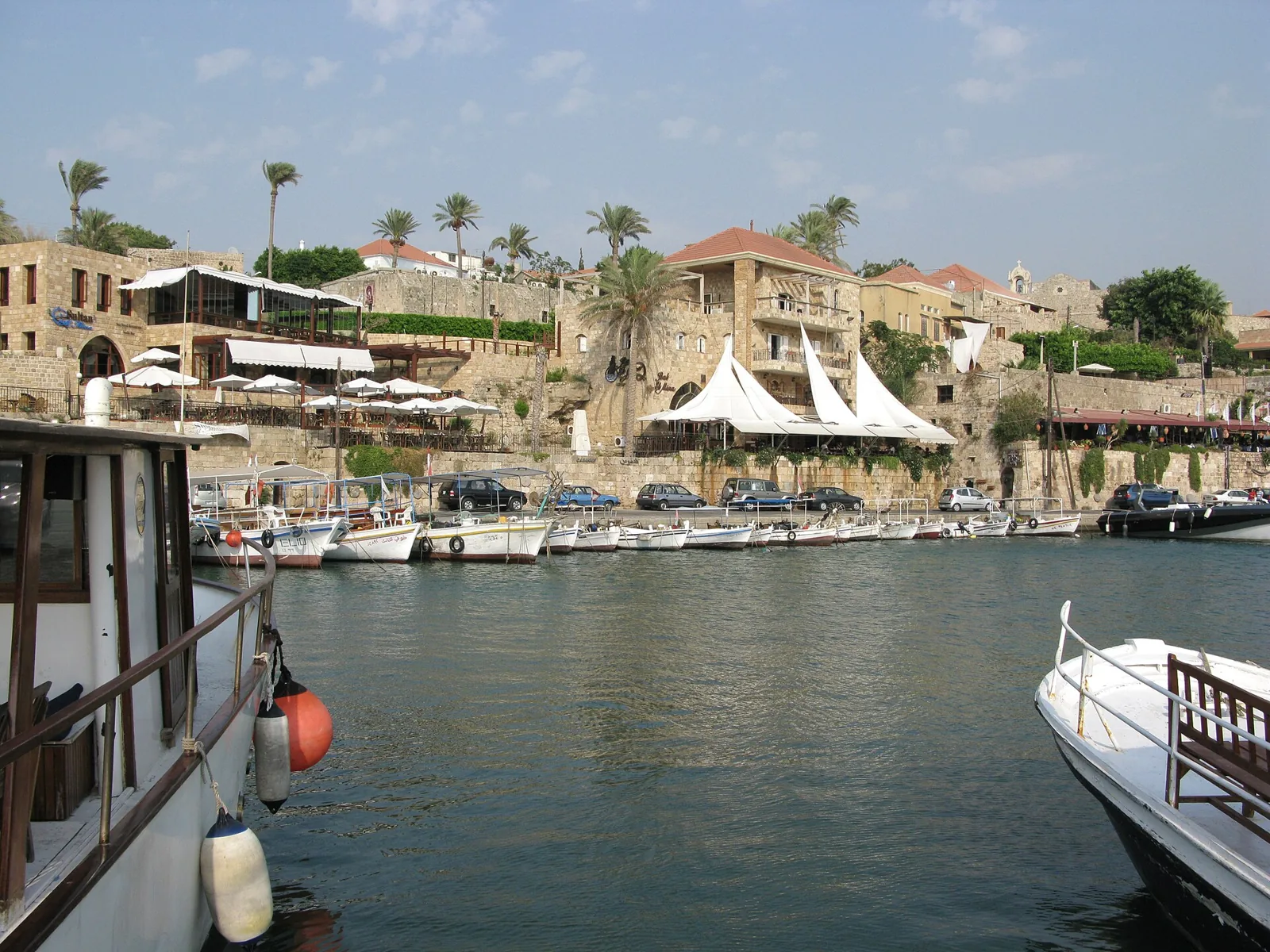
- Byblos: layers of settlement and a historic harbour reward readers interested in Mediterranean connections. For a future visit, separate the archaeological site's paid access from a walk around public streets.
- Baalbek: vast temple architecture suits archaeology enthusiasts. Its location requires careful current advice checks; our Baalbek guide is heritage education, not an access guarantee.
- Tyre: an important ancient coastal city with multiple archaeological areas. Do not assume that one opening notice or ticket covers every part, or that present regional warnings can be ignored.
- Anjar: a planned historic urban site with a distinctive architectural story. Check the exact area and road route before considering a visit.
Cities and living culture
- Beirut: museums, design and neighbourhood life reveal more than a skyline photograph. Choose a focus and check current institutional hours rather than rushing across the city.
- Tripoli: traditional urban fabric and the Rachid Karami International Fair represent very different eras. Confirm whether particular buildings and areas permit visitors; architectural significance does not imply unrestricted entry.
- Batroun: coastal heritage and an older urban core appeal to slower walkers. Ask which stretches are public, accessible and appropriate under current local conditions.
Mountain and landscape heritage
- Qadisha Valley: monastic history and steep terrain suit careful cultural interpretation. Trail condition, worship arrangements and mountain weather all require checking.
- Forest of the Cedars of God: a landscape with conservation and symbolic importance. Stay on authorised paths and confirm seasonal arrangements.
- Chouf's historic settings: palaces and mountain communities offer a different view of Lebanon. Allow for winding roads and individual site rules rather than judging travel time by distance alone.
Choose a theme, then assess feasibility
History, religious heritage, food and mountain scenery suggest different bases. A compact country is not a reason to add several long drives to every day.
Spring and autumn can offer comfortable conditions at lower elevations; mountain winters and summer heat create different requirements. Event dates, weather and actual opening arrangements matter more than a generic best-month label.
Questions before any reservation
- What does your government's latest advice say about the exact place and route?
- Is access confirmed by the responsible institution, not an old social-media post?
- Are transport, insurance, cancellation and communications workable?
- Have you checked terrain, stairs and the needs of everyone travelling?
Read our budget guide and sacred heritage introduction. A good itinerary is one you can responsibly change, including by postponing it.
Sources and photograph credit
Information checked 29 October 2026. Fees, hours, eligibility and project status can change; confirm with the relevant official authority before paying or travelling.
Photograph: Vyacheslav Argenberg; The harbor in the old city of Byblos, Lebanon.jpg; CC BY 4.0. Source-recorded date: 2008-09-04 16:27:58. Resized and converted to WebP for the web. Genuine photograph; not a live view or a claim of present-day conditions.
