Lebanon's religious landscape cannot be understood through a single faith or landmark. Monasteries, churches, mosques and pilgrimage traditions belong to living communities whose needs come before a visitor's itinerary.
Qadisha: a valley with spiritual history
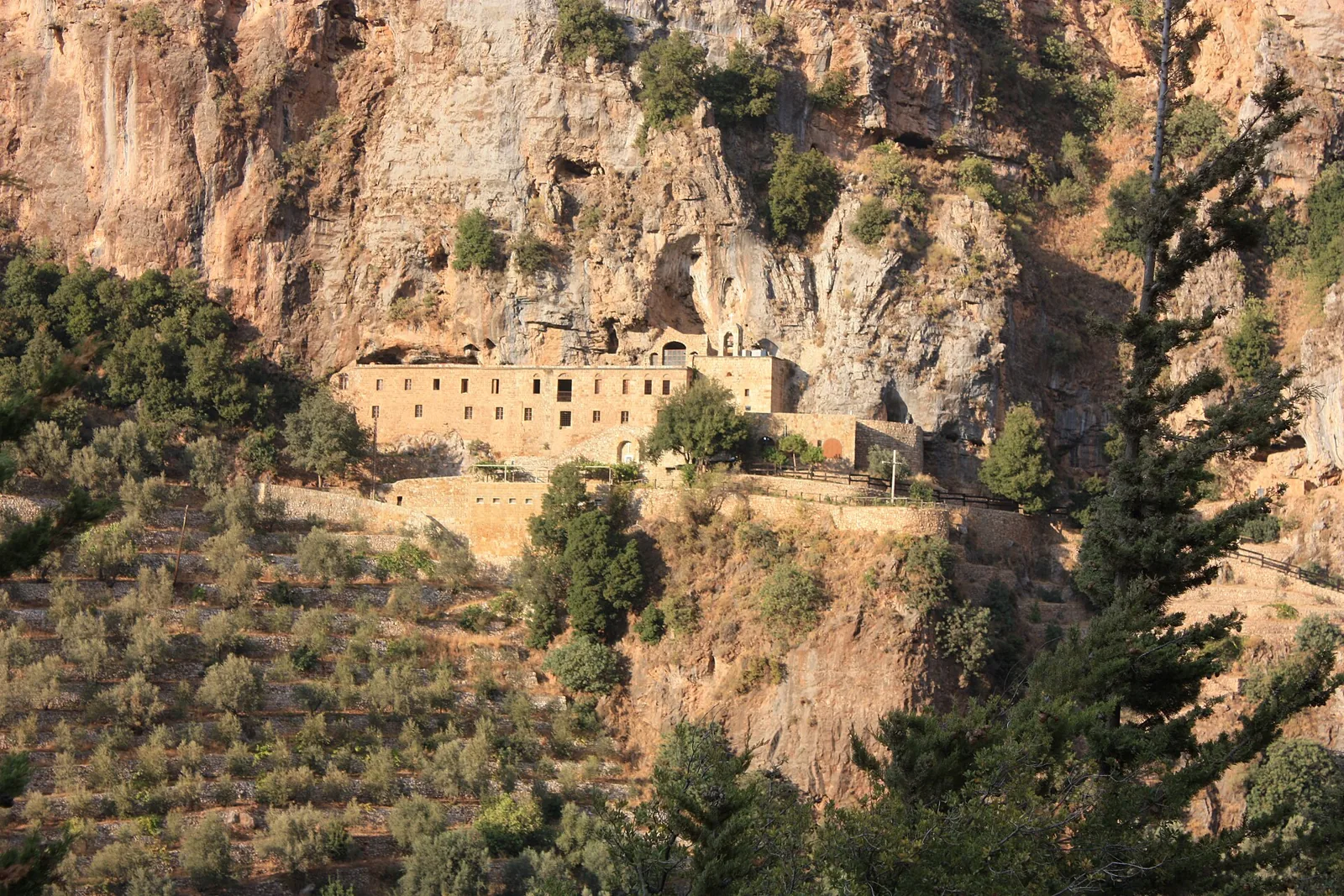
The Qadisha Valley is recognised with the Forest of the Cedars of God as a UNESCO World Heritage property. Its religious significance includes monastic traditions connected with the valley's rugged setting.
A monastery is not simply a scenic lookout. Services, resident communities and conservation needs can limit access, and a walking path can involve steep or uneven terrain even when a road appears close on a map.
Harissa and devotional visits
Harissa is associated with devotion to Our Lady of Lebanon. Visitors should distinguish the religious purpose of the shrine from the surrounding viewpoints and transport attractions.
Confirm current access and service arrangements rather than promising that a cable car or particular visitor facility is operating. Dress respectfully and allow worshippers uninterrupted space.
Beirut's churches and mosques
The city's religious buildings reveal different architectural and community histories. A facade seen from a public street does not establish permission to enter, photograph an interior or join a ceremony.
Ask the responsible institution about visitor hours, shoes, head coverings and cameras. Rules may differ from one building to the next; do not assume one successful visit provides a universal precedent.
Cedars, landscape and meaning
The cedar landscape has symbolic, ecological and historical significance beyond a photo opportunity. Stay on authorised paths, avoid damaging roots and respect conservation restrictions.
Mountain weather can change quickly. A site listed as a short stop may still require suitable footwear, seasonal access checks and a realistic transport plan.
Practical etiquette
- Ask before photographing people, clergy, private worship or funerals.
- Keep voices low, phones silent and entrances clear.
- Treat donations and admission charges as distinct; clarify the arrangement politely.
- Respect a refusal to enter or photograph without trying to negotiate around it.
Religious calendars can alter opening arrangements and local traffic. Verify the relevant year's dates and ask whether a visit would interrupt worship rather than assuming a festival guarantees public access.
Current travel conditions come first
Lebanon's advice is area-specific, and an attraction's religious importance does not make every approach road appropriate. Check the exact place and route before considering any booking.
Our country guide introduces the communities and historical layers. The heritage highlights help connect spiritual places with the wider landscape while keeping present access separate from cultural significance.
Sources and photograph credit
Information checked 29 October 2026. Fees, hours, eligibility and project status can change; confirm with the relevant official authority before paying or travelling.
- UNESCO: Qadisha and the Cedars
- UNESCO: Lebanon heritage properties
- UK government: current Lebanon regional advice
Photograph: Arian Zwegers; Qadisha, view on Deir Mar Elisha (6836959957).jpg; CC BY 2.0. Source-recorded date: 2010-10-06 13:55. Resized and converted to WebP for the web. Genuine photograph; not a live view or a claim of present-day conditions.
