Persepolis rewards slow looking: a carved robe, a staircase procession and the surviving outline of a vast hall reveal more than a hurried photograph. Its archaeological importance remains extraordinary, but current warnings against travel to Iran make this a heritage and future-planning guide.
What Persepolis was
Darius I began the monumental terrace around 518 BCE, and later Achaemenid rulers extended the palace complex. It was a setting for royal display and imperial ceremony, rather than an ordinary residential town preserved intact.
The ruins stand near modern Marvdasht in Fars province. Shiraz is a regional reference point, but a familiar city name does not establish that today's roads or visitor arrangements are operating normally.
Architectural details to understand
The terrace combines natural ground and engineered construction. Monumental approaches guide the eye toward gateways and the remnants of columned reception halls, producing a deliberate sense of arrival.
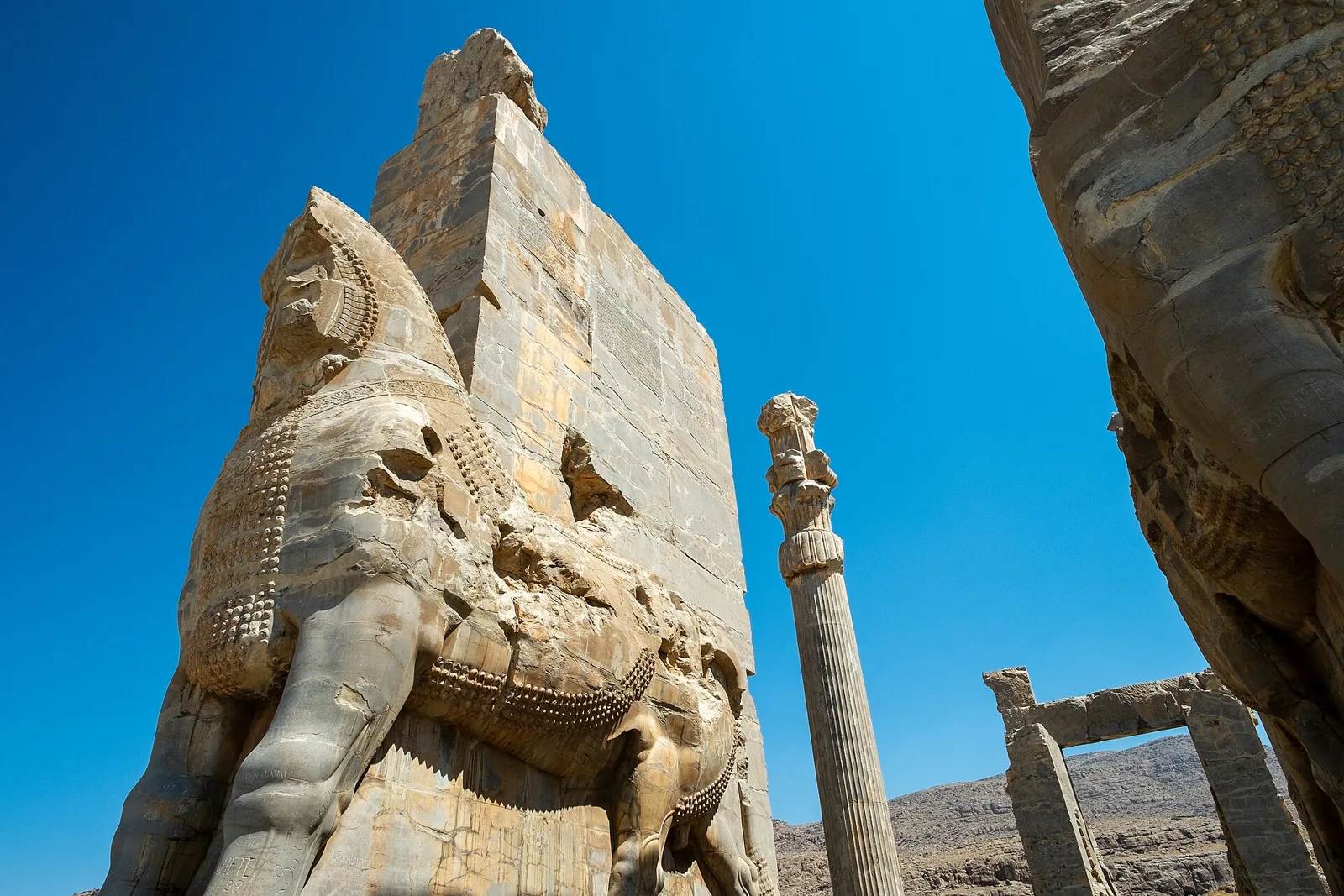
- Study the Gate of All Nations as an entrance sequence, not just a photo frame.
- Look at the Apadana stairway reliefs for dress, gifts and repeated ceremonial arrangements.
- Compare surviving column capitals with the roof structure they once supported.
- Notice how open space and changes in level shaped movement through the complex.
Facts without the exaggerated claims
The site developed across more than one reign. It was not built in a single burst by one ruler, and surviving stone is only part of the original architectural system.
The carved delegations communicate an imperial worldview; they should not be read as a complete, neutral record of daily life across the empire. A qualified guide can explain which interpretations are secure and which remain debated.
A future visitor checklist
When official conditions permit travel, confirm the current admission price, payment method, opening hours and any conservation closures directly with the site or a licensed operator. This article does not publish an unverified 2026 ticket price.
Allow time for exposed walking, bring sun protection and ask specifically about step-free access. Stairs, uneven surfaces and distances matter more than a listing that merely says an attraction is family friendly.
Photography and conservation
Photograph from permitted public paths without climbing on reliefs or crossing barriers. A side angle can reveal carved depth; a wider frame helps explain the scale of a gateway or hall.
Avoid drones unless all required permissions are explicitly in place. Do not photograph checkpoints or military facilities on a journey, and never treat a guide's casual approval as a substitute for legal permission.
Connect the story carefully
Persepolis makes more sense alongside the broader Iran history introduction and a study of later Iranian heritage highlights. Do not turn that reading list into a current multi-city itinerary while official advice warns against travel.
Sources and photograph credit
Information checked 29 October 2026. Fees, hours, eligibility and project status can change; confirm with the relevant official authority before paying or travelling.
Photograph: Skot; Persepolis – Gate of All Nations 02.jpg; CC BY-SA 4.0. Source-recorded date: 2013-09-20 11:11:41. Resized and converted to WebP for the web. Genuine photograph; not a live view or a claim of present-day conditions.
