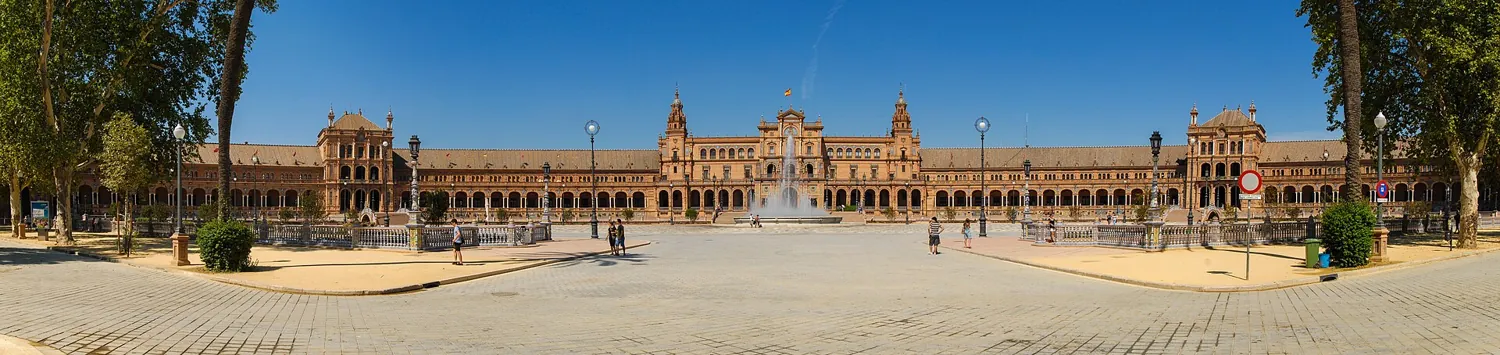
Spain rewards travellers who look beyond a single national stereotype. A rainy Galician square, a market lunch in Valencia and an evening in Seville offer different experiences. Start with the region you want to understand, then build a route around it.
This introduction connects history with everyday travel choices. It complements our first-time Spain itinerary rather than repeating its transport and accommodation checklist.
Read history through places
Roman remains, Islamic-era monuments, Jewish heritage, royal collections and modern neighbourhoods tell overlapping stories. Córdoba is a particularly useful place to explore those layers without pretending that centuries of change were simple or uniformly peaceful.
Give a museum or historic quarter enough time for context. A guided visit can be more useful than collecting several unrelated monument photographs in one afternoon.
The modern state
Spain's 1978 Constitution establishes a parliamentary monarchy and recognises regional autonomy. The monarch is the head of state; that role should not be confused with governing through an elected administration.
For visitors, the practical lesson is that Spain has strong regional identities. Local institutions, cultural calendars and languages deserve attention rather than being treated as variations of Madrid.
Languages and local courtesy
Spanish is the state's official language, while other languages have official status in particular autonomous communities. Signs and place names may therefore appear in more than one language.
Learn a greeting appropriate to the destination and ask politely which language someone prefers. Do not assume that every resident wants a conversation about regional politics during a routine transaction.
Food as a regional itinerary
Think in terms of local markets, seasonal ingredients and small portions before ordering an ambitious spread. Ask staff what is typical locally rather than expecting the same menu everywhere.
Tapas and pintxos can be enjoyable ways to taste several dishes, but small portions are not automatically free. Confirm prices and whether the food contains pork, seafood, alcohol or meat stock if those ingredients matter to you.
Festivals without guesswork
A local festival can transform a town's atmosphere and accommodation demand. Verify the current programme, procession route and ticket arrangements with the organiser, especially when searching older photographs or travel posts.
Keep residential doorways clear and ask before photographing identifiable participants at close range. A celebration is a community event as well as a visitor attraction.
Choose a manageable contrast
Combine one major city with one region you can actually explore. Moving between opposite ends of the country every other day makes it harder to notice ordinary life.
Check weather by destination: northern coastal conditions and southern inland heat call for different clothing and daily schedules. Leave flexible time for markets, meals and unexpected closures.
Questions before you book
Is Spain one uniform cultural experience?
No. Regional identity is part of what makes a return visit rewarding.
Do I need expensive restaurants to understand the food?
No. A considered local lunch and a market visit can be a better introduction than an elaborate meal chosen only for its reputation.
Continue planning Spain
- Plan a first trip to Spain
- Sagrada Família Visitor Guide: Tickets, Towers, Architecture and Photo Tips
- Sacred Spain: Santiago de Compostela, Córdoba and Respectful Heritage Visits
- Spain’s Rail Projects Explained: The Mediterranean Corridor and Smarter Travel
- Spain on a Budget: Free Walks, Museum Planning and Better-Value Meals
- Spain Beyond the Obvious: Cuenca, Cáceres and Slower Food Trails
- Business Setup in Spain: Company Registration and Entrepreneur Residency
- How to Move to Spain Legally: Work, Study, Family and Remote-Work Routes
- Luxury Spain: Madrid Style, Marbella Marinas and Private Mediterranean Escapes
Official sources and photograph credit
Reconfirm current rules, access and charges with the responsible official source before booking or applying.
- Spain: Constitution and regional languages
- Official Spain tourism
- Córdoba and its layered heritage
- Spanish culinary events
Photograph: Mihael Grmek; Sevilla Plaza de Espana 01.jpg; CC BY-SA 3.0. Resized and converted to WebP. Genuine archival photograph, not a live view.
